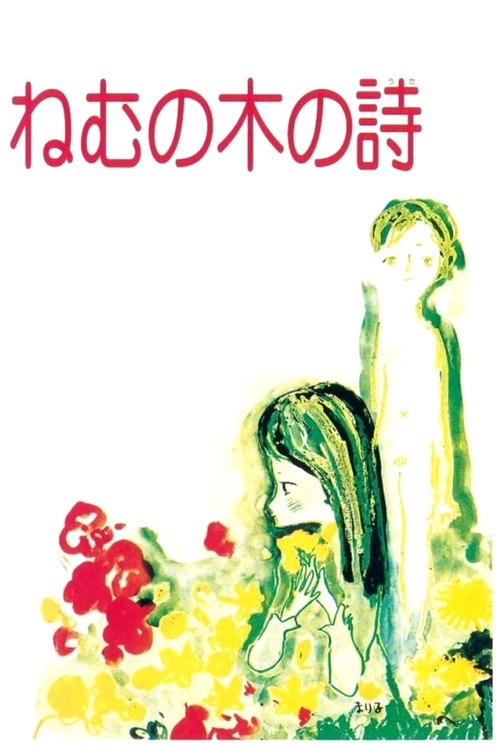
The Silk Tree Ballad 1974
Directed by Mariko Miyagi, *The Silk Tree Ballad (1974)* is a gentle yet profound documentary that shines a light on the creative journeys of children and young adults at Nemunoki.
Director: Mariko Miyagi
Frequently Asked Questions
What is The Silk Tree Ballad (1974) about?
*The Silk Tree Ballad (1974)* follows young residents of Nemunoki as they navigate physical, intellectual, or familial challenges through artistic expression. The film highlights activities like painting, music, and dance as tools for empowerment and self-discovery, portraying their journeys with warmth and authenticity.
Who directed The Silk Tree Ballad?
The film was directed by Mariko Miyagi, whose sensitive approach transforms real-life stories into an intimate and uplifting cinematic experience.
Who stars in The Silk Tree Ballad?
Director information is not available.
Is The Silk Tree Ballad (1974) worth watching?
As a documentary that prioritizes human connection over spectacle, *The Silk Tree Ballad (1974)* offers a rewarding experience for those who appreciate thoughtful, character-driven storytelling. Its focus on resilience and artistry makes it particularly compelling for viewers interested in real-life inspirations.
How long is The Silk Tree Ballad?
The runtime of *The Silk Tree Ballad (1974)* is 89 minutes.
About The Silk Tree Ballad (1974) — A Heartfelt Documentary on Creativity and Resilience
Directed by Mariko Miyagi, *The Silk Tree Ballad (1974)* is a gentle yet profound documentary that shines a light on the creative journeys of children and young adults at Nemunoki. Here, young individuals facing physical, intellectual, or familial challenges are nurtured to explore their talents through immersive activities like painting, music, tea ceremony, and dance. The film captures a world where resilience meets artistry, painting a moving portrait of growth, dignity, and the transformative power of expression.
Atmospheric and deeply human, *The Silk Tree Ballad (1974)* avoids sentimentality in favor of quiet inspiration. Miyagi's sensitive direction invites viewers into a space of quiet discovery, where every brushstroke, melody, or movement becomes a testament to possibility. This isn't just a film about overcoming obstacles—it's a celebration of individuality, patience, and the belief that everyone holds a voice worth hearing.