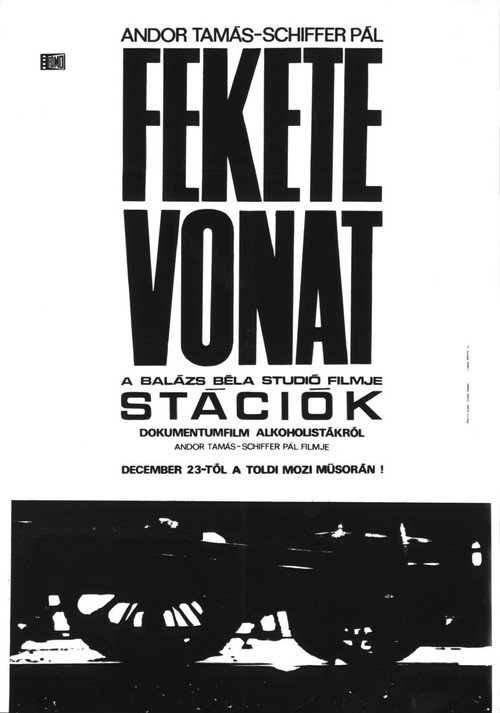
Black Train 1970
Step aboard the Black Train (1970), a gripping documentary that plunges viewers into the lives of Hungarian commuters in the communist era.
Director: Pál Schiffer
Frequently Asked Questions
What is Black Train (1970) about?
Black Train (1970) is a documentary that follows the lives of Hungarian commuters who traveled to Budapest every week, providing a powerful glimpse into the struggles and resilience of everyday people in the communist era.
Who directed Black Train?
Pál Schiffer directed Black Train (1970), a gripping documentary that captures the lives of Hungarian commuters in the communist era.
Who stars in Black Train?
Unfortunately, the main cast of Black Train (1970) is not available.
Is Black Train (1970) worth watching?
While Black Train (1970) may not have a high IMDb rating, its thought-provoking exploration of themes such as perseverance and community make it a compelling watch for documentary enthusiasts.
How long is Black Train?
Black Train (1970) has a runtime of 40 minutes.
About Black Train (1970) — A Gripping Portrait of Hungarian Commuters in the Communist Era
Step aboard the Black Train (1970), a gripping documentary that plunges viewers into the lives of Hungarian commuters in the communist era. Directed by Pál Schiffer, this poignant film showcases the struggles and resilience of everyday people as they travel hundreds of kilometers to Budapest every week. Shot in stark black and white, the documentary provides a powerful glimpse into a bygone era, capturing the atmosphere of a time marked by hardship and determination.
As the train rumbles through the Hungarian countryside, the lives of the commuters unfold on screen. From the grueling daily commute to the quiet moments of rest, the documentary humanizes the often-overlooked experiences of the working class. With its thoughtful exploration of themes such as perseverance and community, Black Train (1970) is a must-watch for anyone interested in documentary filmmaking or the history of Hungary.
Featuring a unique blend of interviews, observational footage, and archival materials, this 40-minute film is a masterclass in storytelling and a testament to the power of documentary filmmaking.