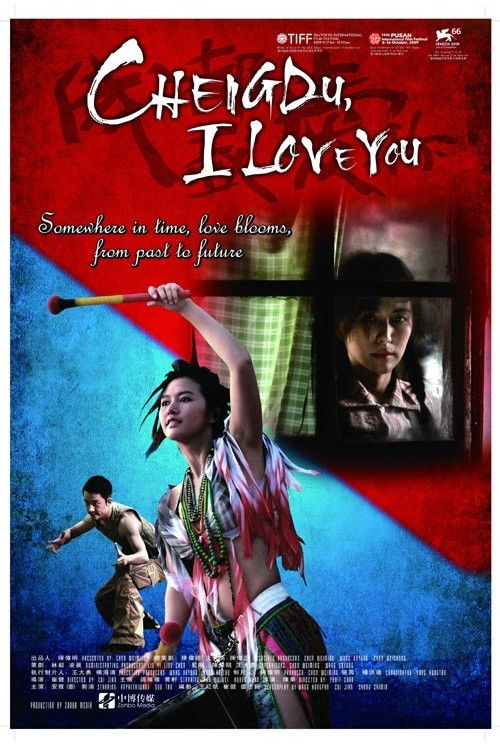
Chengdu, I Love You 2009
Chengdu, I Love You (2009) weaves a surreal tapestry where Fruit Chan blends sharp satire with playful science fiction, jumping between the chaos of the 1976 Tangshan earthquake and a hyper-modern Beijing that feels like a digital dream—or perhaps a digital nightmare.
Director: Fruit Chan
Cast




Frequently Asked Questions
What is Chengdu, I Love You (2009) about?
Fruit Chan's film leaps from the devastation of the 1976 Tangshan earthquake to a near-future Beijing where technology and human connection blur in unexpected ways. It's a satirical yet tender story about love, fate, and the strange ways life resets itself across decades.
Who directed Chengdu, I Love You?
The film was directed by Fruit Chan, the acclaimed Hong Kong filmmaker known for his socially conscious and often experimental storytelling.
Who stars in Chengdu, I Love You?
The core cast includes Huang Xuan, Guo Tao, Sitar Tan, and Anya, each bringing a distinct energy to this genre-blending romance.
Is Chengdu, I Love You (2009) worth watching?
If you enjoy films that mix satire with heartfelt storytelling—and don't mind a dash of sci-fi surrealism—Chengdu, I Love You is a hidden gem. Its short runtime and quirky charm make it a unique pick for fans of offbeat cinema.
How long is Chengdu, I Love You?
The film runs 78 minutes, making it a breezy, digestible watch for its ambitious scope.
Chengdu, I Love You (2009): A Love Story Between Earthquakes and Algorithms — Full Movie Info
Chengdu, I Love You (2009) weaves a surreal tapestry where Fruit Chan blends sharp satire with playful science fiction, jumping between the chaos of the 1976 Tangshan earthquake and a hyper-modern Beijing that feels like a digital dream—or perhaps a digital nightmare.
This offbeat romantic comedy drifts through time and technology, following a group of characters whose lives intersect in ways that feel both absurdly coincidental and eerily predestined. With Huang Xuan and Guo Tao leading a cast of quirky, unpredictable performers, the film balances wry humor with moments of genuine warmth, all wrapped in a visual style that nods to everything from classic melodrama to cyberpunk aesthetics. The result is a movie that's as thought-provoking as it is entertaining, inviting viewers to question the boundaries between reality and illusion in modern China.