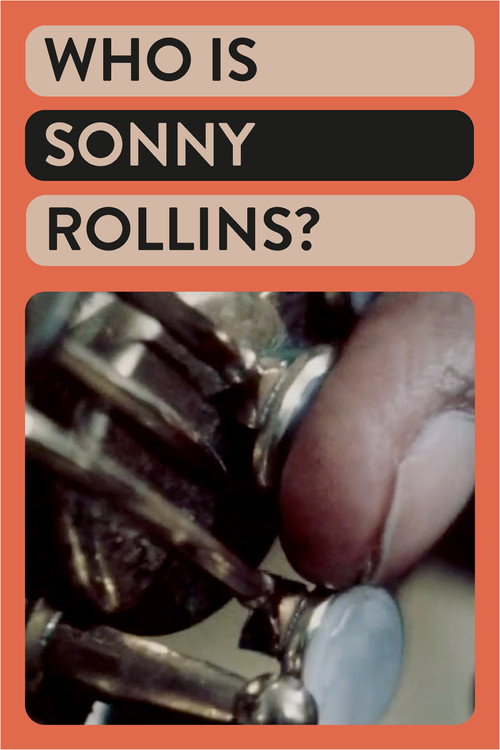
Who Is Sonny Rollins? 1968
In the short but powerful documentary *Who Is Sonny Rollins? (1968)*, director Dick Fontaine captures the legendary jazz saxophonist in a rare moment of introspection and creative solitude.
Director: Dick Fontaine
Cast
Frequently Asked Questions
What is *Who Is Sonny Rollins? (1968)* about?
This short documentary offers a rare glimpse into the life of jazz saxophonist Sonny Rollins during a pivotal period of self-imposed exile. Rather than focusing on his fame, the film highlights his dedication to artistic growth, his reflections on music as resistance, and the everyday settings where inspiration strikes.
Who directed *Who Is Sonny Rollins? (1968)*?
The film was directed by Dick Fontaine, who crafts a visually poetic and deeply personal portrait of Sonny Rollins during his time away from the public eye.
Who stars in *Who Is Sonny Rollins? (1968)*?
The documentary features Sonny Rollins as the sole focus, showcasing his presence, music, and philosophical musings throughout New York City.
Is *Who Is Sonny Rollins? (1968)* worth watching?
For jazz enthusiasts and fans of intimate artist profiles, this 28-minute documentary is a gem. It's not just a performance piece—it's a meditative exploration of creativity, independence, and the inner workings of a jazz legend. While it may not have widespread mainstream appeal, its authenticity and mood make it a compelling watch for those who appreciate the intersection of music and personal narrative.
How long is *Who Is Sonny Rollins? (1968)*?
The film has a runtime of 28 minutes.
About Who Is Sonny Rollins? (1968) — A Jazz Icon's Intimate Journey in 28 Minutes
In the short but powerful documentary *Who Is Sonny Rollins? (1968)*, director Dick Fontaine captures the legendary jazz saxophonist in a rare moment of introspection and creative solitude. Shot over 28 minutes, the film follows Sonny Rollins through the streets and studios of New York City as he navigates themes of artistic freedom, social change, and personal reinvention. Through candid moments of practice, reflection, and spontaneous musical exploration, the documentary paints a vivid portrait of a musician reclaiming his identity beyond the spotlight. With minimal narration and striking visuals, it immerses viewers in the raw atmosphere of Rollins' self-imposed exile—a time when he stepped away from the jazz scene to refine his craft and reconnect with his inner voice.
Dick Fontaine's direction eschews traditional biographical structure in favor of an intimate, almost poetic journey, focusing on Rollins' philosophy of music as both a spiritual practice and a political statement. The film pulses with the energy of late-1960s New York, where jazz was as much a voice for the marginalized as it was an art form. By blending urban landscapes with Rollins' hypnotic saxophone melodies, Fontaine crafts a visual and auditory experience that feels like stepping into the mind of a jazz innovator at a crossroads.