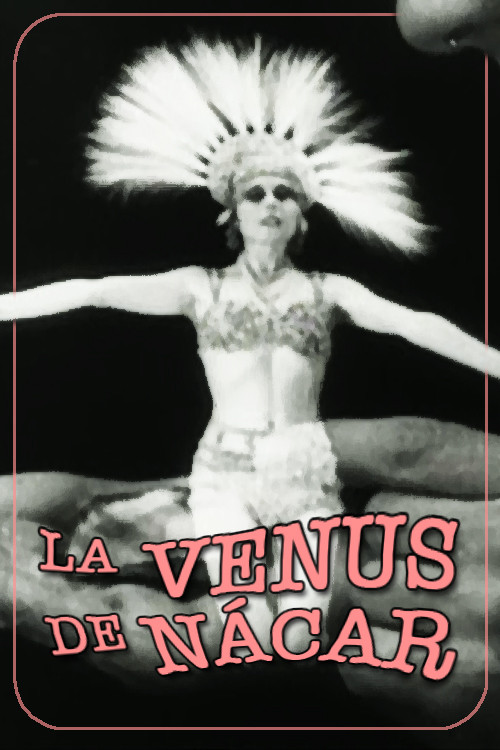
Mother of Pearl Venus 1932
Dive into the cinematic legacy of Venezuela with *Mother of Pearl Venus (1932)*, a groundbreaking short film that etched its name in history as the nation's first sound production.
Director: Efraín Gómez
Frequently Asked Questions
What is Mother of Pearl Venus (1932) about?
This short film marks Venezuela's first foray into sound cinema, blending romance and fantasy within its brief 8-minute runtime. Set during a politically charged era, it uses its innovative soundtrack to craft a hauntingly poetic narrative that lingers long after the credits roll.
Who directed Mother of Pearl Venus?
Efraín Gómez helmed this historic production, pioneering Venezuela's transition from silent films to the era of synchronized sound.
Who stars in Mother of Pearl Venus?
The cast details for *Mother of Pearl Venus* have not been preserved in historical records, leaving the film's performers a mystery.
Is Mother of Pearl Venus (1932) worth watching?
As a cultural artifact and technical milestone, *Mother of Pearl Venus* offers immense value to film historians and enthusiasts. While it's a short and niche watch, its groundbreaking sound design and romantic-fantasy themes make it a fascinating piece of early cinema history.
How long is Mother of Pearl Venus?
*Mother of Pearl Venus* runs for 8 minutes, making it a concise yet impactful entry in early sound films.
About Mother of Pearl Venus (1932) — Venezuela's Trailblazing Sound Film of 1932
Dive into the cinematic legacy of Venezuela with *Mother of Pearl Venus (1932)*, a groundbreaking short film that etched its name in history as the nation's first sound production. Directed by the visionary Efraín Gómez, this 8-minute romance-fantasy weaves a dreamlike tale set against the backdrop of Juan Vicente Gómez's authoritarian regime. The film's lush atmosphere blends fantasy with subtle storytelling, using sound to elevate its narrative in ways never before seen in Venezuelan cinema. Though details about the cast remain shrouded in time, the film's technical innovation and cultural significance make it a must-study for film enthusiasts and historians alike.
*Mother of Pearl Venus (1932)* isn't just a relic of the past; it's a testament to the power of cinema as a tool for creativity and resistance. Its brief runtime belies its ambitious fusion of genre, leaving audiences intrigued by its blend of romance and fantasy. With its pioneering use of sound syncing, the film bridges the silent era and the dawn of talkies, offering a rare glimpse into the evolution of Latin American cinema. Whether you're exploring early sound films or tracing Venezuela's cinematic roots, this short but historic production delivers a unique and unforgettable experience.