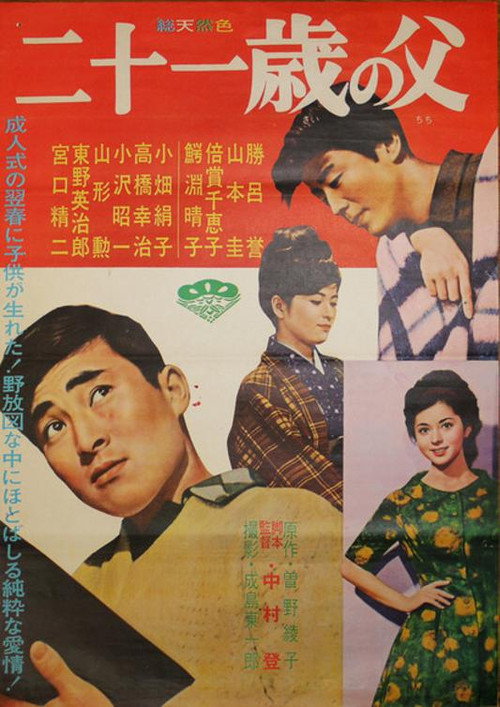
Our Happiness Alone 1964
Set against the backdrop of 1960s Japan, Our Happiness Alone (1964) is a poignant drama that delves into the complexities of family dynamics and societal expectations.
Director: Noboru Nakamura
Cast





Frequently Asked Questions
What is Our Happiness Alone (1964) about?
The film follows two brothers, Mototsugu and Ichiro, as they navigate their own paths to happiness and confront the complexities of family dynamics and societal expectations.
Who directed Our Happiness Alone?
Our Happiness Alone was directed by Noboru Nakamura, a renowned Japanese filmmaker.
Who stars in Our Happiness Alone?
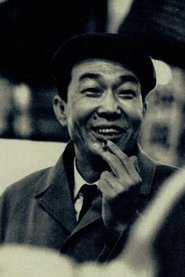
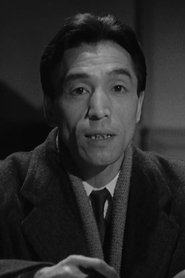
The film features a talented cast, including Homare Suguro, Kei Yamamoto, and Chieko Baisho.
Is Our Happiness Alone (1964) worth watching?
While Our Happiness Alone may not be a well-known film, its thought-provoking themes and nuanced performances make it a compelling watch for audiences interested in Japanese cinema.
How long is Our Happiness Alone?
Our Happiness Alone has a runtime of 96 minutes.
About Our Happiness Alone (1964) — A Poignant Drama of Love and Identity
Set against the backdrop of 1960s Japan, Our Happiness Alone (1964) is a poignant drama that delves into the complexities of family dynamics and societal expectations. Director Noboru Nakamura masterfully weaves a tale of two brothers, Mototsugu and Ichiro, who navigate their own paths to happiness, each facing unique challenges. As Mototsugu falls in love with Yoshiko, a blind masseuse, he rebels against the constraints of his family's high-society lifestyle. The film's exploration of love, family, and identity is both poignant and thought-provoking. With a runtime of 96 minutes, Our Happiness Alone is a cinematic experience that will leave viewers reflecting on the true meaning of happiness. The cast, featuring Homare Suguro, Kei Yamamoto, and Chieko Baisho, deliver nuanced performances that bring depth to the narrative. Our Happiness Alone (1964) is a hidden gem that deserves attention from film enthusiasts. As the characters navigate the intricacies of relationships and societal pressures, the film raises important questions about the nature of happiness and fulfillment.
With its thought-provoking themes and well-crafted narrative, Our Happiness Alone (1964) is a must-watch for anyone interested in Japanese cinema. The film's atmosphere is both introspective and uplifting, making it a compelling watch for audiences looking for a nuanced drama. Our Happiness Alone (1964) is a true masterpiece of Japanese filmmaking, and its exploration of the human condition continues to resonate with viewers today.