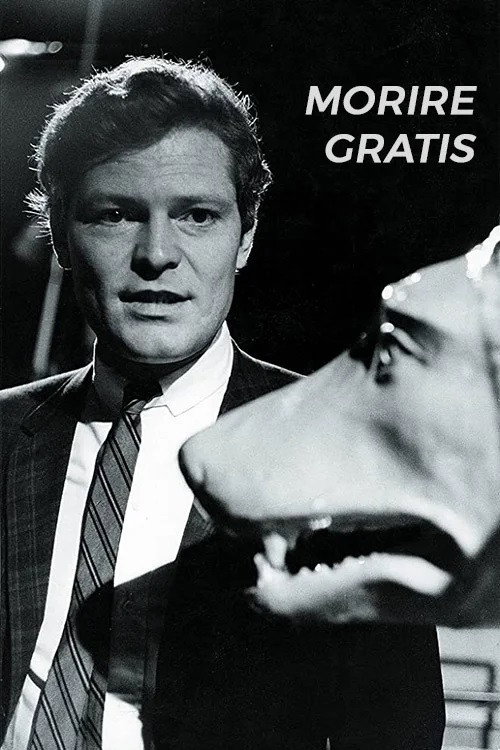
Morire gratis 1968
Sandro Franchina's 1968 drama *Morire gratis* follows a passionate young sculptor from Rome as he embarks on a solitary road trip to Paris, carrying his latest masterpiece in the trunk of his car.
Director: Sandro Franchina
Cast
Frequently Asked Questions
What is Morire gratis (1968) about?
*Morire gratis* tells the story of a young artist driving from Rome to Paris with his latest sculpture, hoping to sell it and gain recognition. Along the way, he encounters Michelle, a French woman who becomes an unexpected part of his journey, adding emotional depth to his solitary mission.
Who directed Morire gratis?
Sandro Franchina directed *Morire gratis* in 1968, crafting a contemplative drama that explores artistic ambition and human connection.
Who stars in Morire gratis?
The film features Mario Pisu, Karen Blanguernon, Isabel d'Avila, Adriano Amidei Migliano, and Sandro Brunori in key roles.
Is Morire gratis (1968) worth watching?
With its focus on artistry, solitude, and chance encounters, *Morire gratis* offers a reflective viewing experience. While not widely rated, its intimate storytelling and European drama appeal make it a hidden gem for fans of character-driven films.
How long is Morire gratis?
*Morire gratis* has a runtime of 87 minutes.
About Morire gratis (1968) — A Young Artist's Journey to Paris in a Poetic Italian Drama
Sandro Franchina's 1968 drama *Morire gratis* follows a passionate young sculptor from Rome as he embarks on a solitary road trip to Paris, carrying his latest masterpiece in the trunk of his car. The journey becomes more than just a physical passage when he meets Michelle, a spirited French woman who enters his life just as his artistic ambitions reach a critical juncture. Set against the backdrop of mid-century European roads and cities, the film weaves together themes of artistic struggle, fleeting connections, and the pursuit of recognition in a world that often feels indifferent to creativity.
With its moody cinematography and introspective pace, *Morire gratis (1968)* captures the quiet tension between ambition and anxiety, where every mile traveled is both a step toward destiny and a moment suspended in time. The film's understated intensity lingers long after the credits roll, making it a compelling watch for fans of character-driven European cinema.