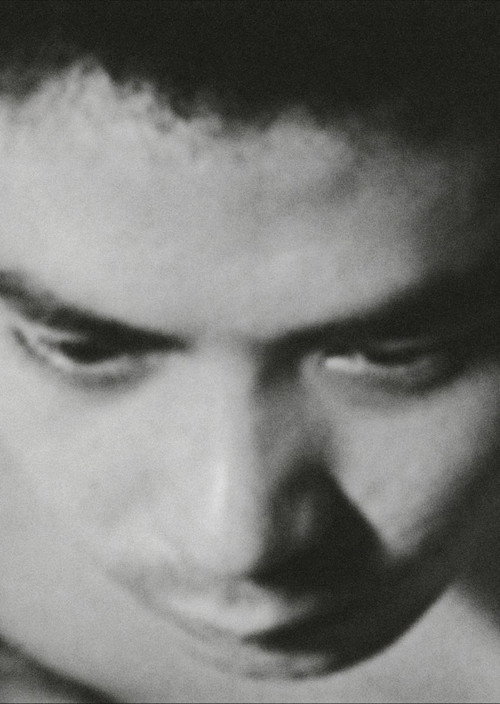
Onan 1963
Onan (1963), directed by the visionary Takahiko Iimura, is a surreal eight-minute fantasy film that explores the raw, self-referential nature of desire.
Director: Takahiko Iimura
Cast
Frequently Asked Questions
What is Onan (1963) about?
Onan (1963) follows a man whose fixation on a large egg becomes a physical manifestation of his self-focused desire. After an awkward encounter with a woman, he stumbles while still clutching the egg, turning an internal struggle into an absurd visual gag. The film playfully critiques the futility of solitary longing through minimalist, symbolic storytelling.
Who directed Onan?
Onan was directed by Takahiko Iimura, a pioneering Japanese experimental filmmaker known for blending avant-garde techniques with philosophical themes.
Who stars in Onan?
The 1963 short film stars Natsuyuki Nakanishi and Akiko Kodaira in its main roles.
Is Onan (1963) worth watching?
Though brief and unconventional, Onan (1963) is a fascinating artifact of 1960s experimental cinema with a striking visual metaphor at its core. It may not appeal to mainstream tastes, but fans of surreal and introspective short films will find its eight-minute runtime rewarding.
How long is Onan?
Onan (1963) has a runtime of 8 minutes.
About Onan (1963) — Surreal Fantasy Short Explores Self-Directed Desire
Onan (1963), directed by the visionary Takahiko Iimura, is a surreal eight-minute fantasy film that explores the raw, self-referential nature of desire. The short is centered on a man whose compulsive preoccupation with an oversized egg becomes a vivid metaphor for masturbation—a loop of longing with no external object. When he collides with a woman, the collision is literal yet absurd, leaving him sprawled on the ground, still clutching the symbol of his fixation. The film transforms an intimate act into a physical comedy of futility, where desire is both palpable and unattainable.
In Iimura's minimalist, dreamlike style, Onan (1963) blends avant-garde aesthetics with a darkly humorous take on human compulsions. The stark black-and-white cinematography amplifies the tension between isolation and collision, while the egg becomes a surreal stand-in for the self—both source and prison of desire. Though brief, the film lingers like an enigmatic dream, inviting viewers to reflect on the cyclical nature of craving and the absurdity of chasing fulfillment in isolation.