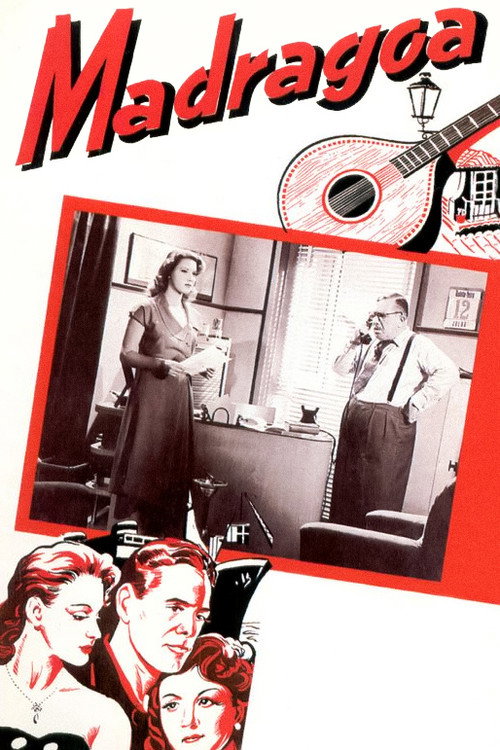
Madragoa 1952
Madragoa (1952) tells a poignant tale of love, duty, and social constraints in mid-20th century Portugal.
Director: Perdigão Queiroga
Cast


Frequently Asked Questions
What is Madragoa (1952) about?
Madragoa follows Zé Luís, a devoted worker who falls for his boss's daughter Clara, only to face opposition from her ambitious father who wants to marry her off for financial gain. Their forbidden romance leads to devastating consequences as social pressures and family obligations tear their world apart.
Who directed Madragoa?
Madragoa was directed by Perdigão Queiroga, a respected Portuguese filmmaker known for his work in the country's golden age of cinema during the 1950s.
Who stars in Madragoa?
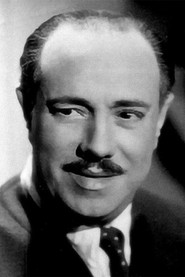
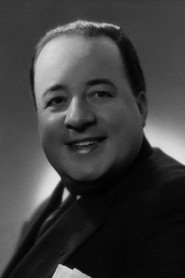
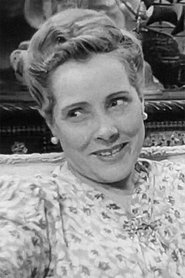
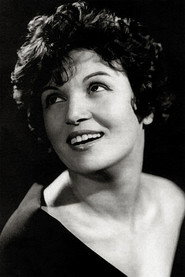
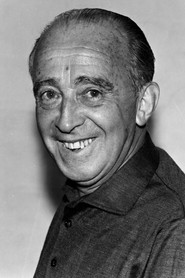
The film features Estêvão Amarante, Silva Araújo, Ercilia Costa, Costinha, Helga Liné, and Barroso Lopes in key roles.
Is Madragoa (1952) worth watching?
As an unrated drama from Portuguese cinema's golden era, Madragoa offers compelling melodrama with strong performances and authentic period atmosphere. Romance and drama enthusiasts will appreciate its emotional depth and social commentary, though it reflects the storytelling style of early 1950s filmmaking.
How long is Madragoa?
Madragoa runs for 108 minutes.
Madragoa (1952): Working-Class Romance Meets Tragic Fate
Madragoa (1952) tells a poignant tale of love, duty, and social constraints in mid-20th century Portugal. Directed by Perdigão Queiroga, this romantic drama follows Zé Luís, a dedicated working-class man who falls for Clara, the daughter of his powerful godfather and employer Santana das Carnes. Their romance faces fierce opposition when Santana discovers their relationship and schemes to marry Clara off to a wealthy suitor to fund his business ambitions.
The film explores themes of class disparity, familial obligation, and the sacrifices made for love. As Zé Luís is forced to choose between his heart and his livelihood, he finds work at the docks while grappling with a loveless marriage arranged by his former protector. The story builds toward tragic consequences as illness, betrayal, and financial ruin reshape the lives of these intertwined characters.
With strong performances from Estêvão Amarante, Silva Araújo, and Ercilia Costa, Madragoa captures the emotional weight of a society bound by tradition and economic necessity. The film's melodramatic atmosphere reflects the golden age of Portuguese cinema, offering viewers a glimpse into post-war Lisbon's working-class neighborhoods and the human cost of social climbing.