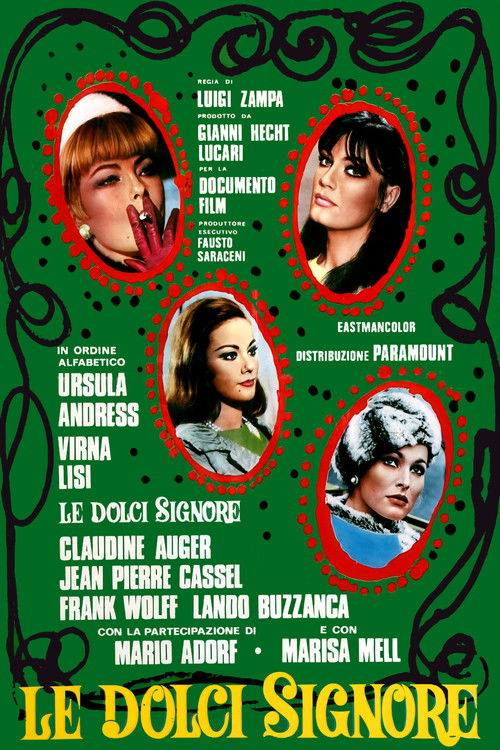
Anyone Can Play 1967
Set against the glittering backdrop of 1960s Rome, *Anyone Can Play (1967)* weaves a lighthearted yet insightful tapestry of romance and comedy.
Director: Luigi Zampa
Cast
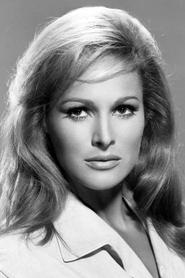
Ursula Andress
Norma

Virna Lisi
Luisa

Claudine Auger
Esmerelda

Jean-Pierre Cassel
Luisa's husband

Frank Wolff
Paola's husband
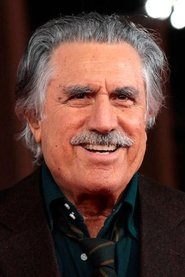
Lando Buzzanca
ricattatore
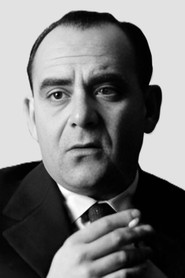
Vittorio Caprioli
Dieb
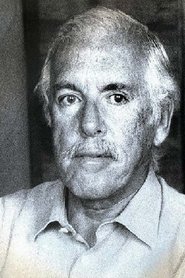
Luciano Salce
Psychiater
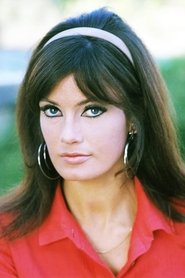
Marisa Mell
Paola
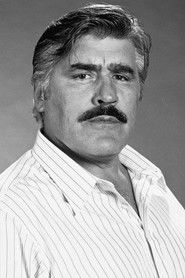
Mario Adorf
Traffic cop
Frequently Asked Questions
What is Anyone Can Play (1967) about?
This witty Roman rom-com follows four fashionable women juggling love, frustration, and societal expectations in the swinging sixties. Set in glamorous Rome, the film blends humor and social commentary as the women navigate romantic entanglements and personal desires.
Who directed Anyone Can Play?
Italian director Luigi Zampa, known for his sharp satire and social dramas, helmed *Anyone Can Play* in 1967.
Who stars in Anyone Can Play?
The film features Ursula Andress, Virna Lisi, Claudine Auger, and Jean-Pierre Cassel as the central quartet of stylish women and their male counterparts.
Is Anyone Can Play (1967) worth watching?
As a lighthearted comedy with romantic depth, *Anyone Can Play* offers a charming snapshot of 1960s European cinema. While not widely rated, its blend of humor and social themes makes it a worthwhile watch for fans of vintage rom-coms.
How long is Anyone Can Play?
The film runs for 88 minutes, perfect for a breezy evening of entertainment.
About Anyone Can Play (1967) — A Romantic Comedy of Love and Liberation in 1960s Rome
Set against the glittering backdrop of 1960s Rome, *Anyone Can Play (1967)* weaves a lighthearted yet insightful tapestry of romance and comedy. Directed by the sharp Luigi Zampa, this European delight follows four stylish women navigating love, desire, and social conventions in a city alive with fashion and intrigue.
With its breezy pacing and sly humor, the film explores themes of liberation and societal expectations against the vibrant pulse of Rome's high society. Ursula Andress, Virna Lisi, Claudine Auger, and Jean-Pierre Cassel bring charm and wit to the ensemble, while Frank Wolff and Lando Buzzanca add depth to the romantic entanglements. A timeless blend of laughter and heart, *Anyone Can Play* is a celebration of both the joys and frustrations of love in every era.