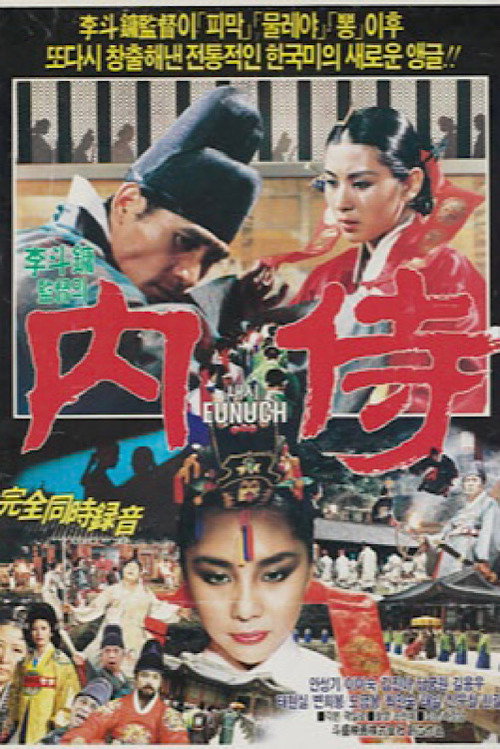
Eunuch 1986
In *Eunuch (1986)*, legendary director Lee Doo-yong crafts a gripping historical drama steeped in political intrigue and tragic romance.
Director: Lee Doo-yong
Cast

Frequently Asked Questions
What is Eunuch (1986) about?
*Eunuch* follows the heartbreaking journey of Jeong-ho, a man whose life is shattered after he's forcibly castrated for daring to love above his station. His former lover, Ja-ok, is thrust into servitude by her power-hungry father, leaving Jeong-ho with a single, desperate goal: to save her from a fate worse than death.
Who directed Eunuch?
The film was directed by Lee Doo-yong, a celebrated Korean filmmaker known for his historical dramas and emotionally charged storytelling.
Who stars in Eunuch?
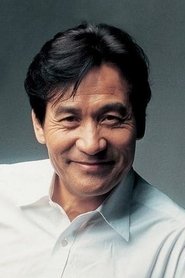
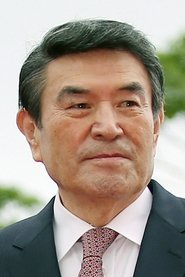
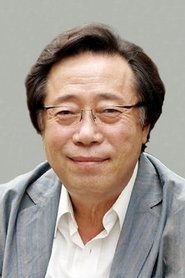
The cast is led by Ahn Sung-ki as Jeong-ho, with Lee Mi-sook, Nam Koong-won, Kim Chun-sik, and Byun Hee-bong rounding out the ensemble in pivotal roles.
Is Eunuch (1986) worth watching?
While *Eunuch* lacks an IMDb rating for context, its historical depth and emotional intensity make it a standout in Korean period dramas. Lee Doo-yong's direction and Ahn Sung-ki's powerful performance elevate it beyond typical court intrigue, rewarding viewers with a poignant, visually rich experience.
How long is Eunuch?
The film runs for 108 minutes.
About Eunuch (1986) — A Tragic Tale of Love and Power in Royal Korea
In *Eunuch (1986)*, legendary director Lee Doo-yong crafts a gripping historical drama steeped in political intrigue and tragic romance. Set against the lavish yet treacherous backdrop of a royal court, the film follows Jeong-ho, a man brutally castrated by a scheming minister who covets power. The minister's daughter, Ja-ok, once Jeong-ho's beloved, is forced into servitude after her manipulative father tries to manipulate the king. As Jeong-ho fights against impossible odds, his only purpose becomes rescuing Ja-ok from despair. With rich visuals and emotional depth, this Korean classic explores themes of sacrifice, forbidden love, and the brutal cost of ambition.
Lee Doo-yong's masterful direction brings historical Korea to life with stunning clarity, while Ahn Sung-ki's haunting performance as Jeong-ho anchors the story in raw emotion. The film's somber atmosphere lingers long after the credits roll, blending historical authenticity with a deeply personal tragedy that leaves audiences reflecting on power and resilience.