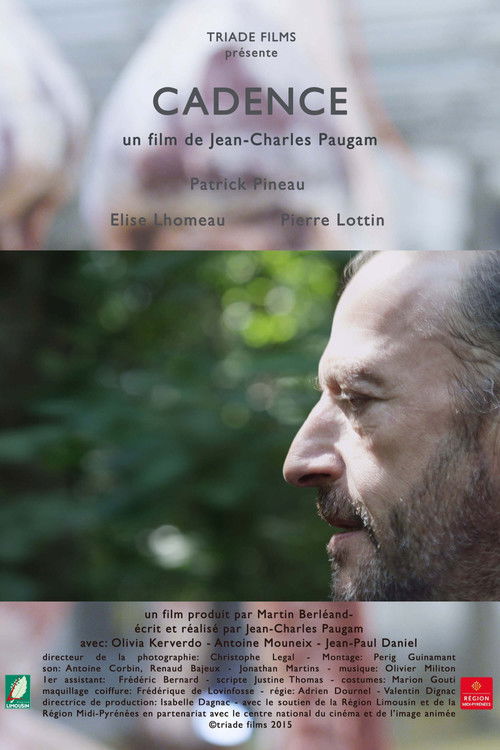
Keeping-Up 2015
In the gritty yet intimate short film *Keeping-Up* (2015), directed by Jean-Charles Paugam, Georges—a fifty-year-old worker at a slaughterhouse—finds his life upended when a colleague collapses from a heart attack.
Director: Jean-Charles Paugam
Cast



Frequently Asked Questions
What is Keeping-Up (2015) about?
Georges, a middle-aged abattoir worker, faces a life-altering moment when a colleague suffers a heart attack. The incident pushes him to confront his own unfulfilled routine and seek a path to change before it's too late.
Who directed Keeping-Up?
The film was directed by Jean-Charles Paugam, a filmmaker known for crafting intimate, character-driven dramas.
Who stars in Keeping-Up?
The cast features Patrick Pineau, Élise Lhomeau, Pierre Lottin, Antoine Mouneix, and Olivia Kervedo in pivotal roles.
Is Keeping-Up (2015) worth watching?
*Keeping-Up* may be short, but its emotional punch is outsized. As a character-driven drama, it thrives on raw performances and a relatable premise about reflection and renewal, making it a compelling watch for fans of introspective films.
How long is Keeping-Up?
The film runs for 25 minutes, offering a tight, impactful narrative in a concise format.
About Keeping-Up (2015) — A Short Drama on Second Chances and Life's Wake-Up Calls
In the gritty yet intimate short film *Keeping-Up* (2015), directed by Jean-Charles Paugam, Georges—a fifty-year-old worker at a slaughterhouse—finds his life upended when a colleague collapses from a heart attack. The sudden shock forces him to confront his own stagnation, sparking a quiet but urgent journey toward reclaiming purpose. Set against the backdrop of a harsh industrial environment, the film explores themes of mortality, routine, and the fragile balance between obligation and self-discovery. Paugam crafts a stark, contemplative atmosphere, blending raw realism with a poignant undercurrent of hope.
With its lean runtime and powerful performances, *Keeping-Up* delivers a compact yet resonant drama that lingers long after the credits roll. The story's unflinching look at middle-age reflection and reinvention offers a compelling snapshot of life's unexpected turning points.