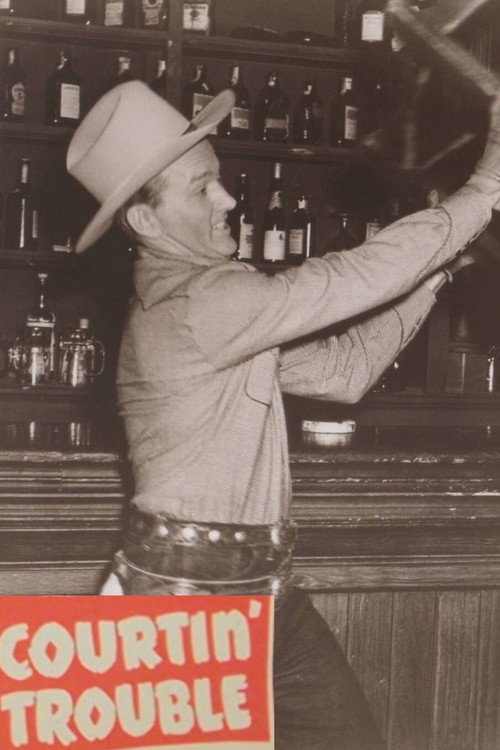
Courtin' Trouble 1948
"SIX-GUN SONGFEST!"
In "Courtin' Trouble (1948)", legendary Western troubadour Jimmy Wakely steps into a risky undercover role as a wandering minstrel at Dawson's saloon—a place brimming with outlaws and danger.
Director: Ford Beebe
Cast
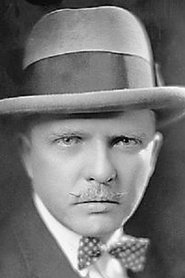
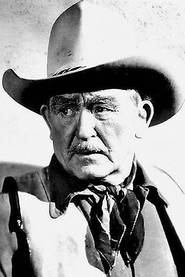
Frequently Asked Questions
What is Courtin' Trouble (1948) about?
Jimmy Wakely plays a lawman who goes undercover as a traveling singer in a dangerous saloon, hiding his true mission while dodging outlaws and singing for his supper. The story unfolds as he navigates a web of deception to bring justice to a town teetering on the edge of chaos.
Who directed Courtin' Trouble?
Ford Beebe directed this Western gem, known for crafting action-packed films with heart and humor.
Who stars in Courtin' Trouble?
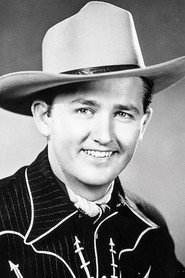
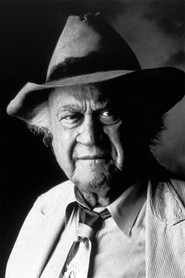
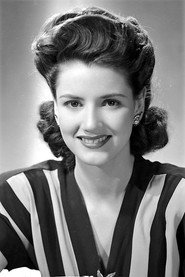
The film features Jimmy Wakely, Dub Taylor, Virginia Belmont, Marshall Reed, and Frank LaRue in key roles.
Is Courtin' Trouble (1948) worth watching?
While IMDb hasn't rated it, its genre-blending mix of music, comedy, and drama makes it a solid pick for Western fans. Wakely's charisma and the film's tight runtime add to its nostalgic appeal.
How long is Courtin' Trouble?
The movie runs for 56 minutes, perfect for a quick classic Western fix.
About Courtin' Trouble (1948) — Classic Western with Jimmy Wakely's Musical Adventure
In "Courtin' Trouble (1948)", legendary Western troubadour Jimmy Wakely steps into a risky undercover role as a wandering minstrel at Dawson's saloon—a place brimming with outlaws and danger. Directed by the prolific Ford Beebe, this fast-paced blend of comedy, drama, music, and frontier justice delivers a 56-minute adventure packed with six-gun ballads and rugged charm. Wakely's smooth vocals and quick wit disguise his true mission: to expose the saloon's hidden criminal ties while keeping the peace in a town where trouble is always just one shot away.
Surrounded by Dub Taylor's loyal sidekick and Virginia Belmont's fiery saloonkeeper, Wakely's mission takes unexpected turns, blending humor with heart-pounding action. The film's dusty saloon atmosphere and toe-tapping melodies make it a standout in the classic Western music genre, offering a snapshot of 1940s small-town life where lawmen wore badges—and sometimes, six-shooters.