Terrorist's Remorse 1907
Dive into one of cinema's earliest silent dramas with *Terrorist's Remorse (1907)*, a 12-minute French short directed by the prolific Louis Feuillade.
Director: Louis Feuillade
Cast
Frequently Asked Questions
What is Terrorist's Remorse (1907) about?
This early silent drama follows a character whose actions lead to a moment of deep remorse, unfolding against the backdrop of early 20th-century France. The film explores themes of regret and moral conflict, framed through the dramatic storytelling style of Louis Feuillade.
Who directed Terrorist's Remorse?
The film was directed by Louis Feuillade, a pioneer of early cinema known for his innovative storytelling and contributions to Gaumont's catalog.
Who stars in Terrorist's Remorse?
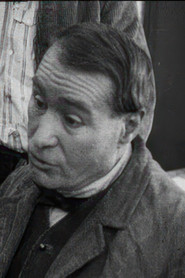
The film features Max Charlier and Mlle Loisier, two prominent actors in early French silent films.
Is Terrorist's Remorse (1907) worth watching?
As an early silent drama, *Terrorist's Remorse* offers a fascinating look at 1907 cinema with its dramatic themes and historical significance. While not rated, its cultural and cinematic value makes it intriguing for silent film enthusiasts and early cinema collectors.
How long is Terrorist's Remorse?
The film runs for 12 minutes.
🎥 Trailer
About Terrorist's Remorse (1907) — Early Silent Drama You Need to Know
Dive into one of cinema's earliest silent dramas with *Terrorist's Remorse (1907)*, a 12-minute French short directed by the prolific Louis Feuillade. This intriguing piece, originally titled *La Terroriste* and produced by Gaumont, explores themes of regret and moral reckoning through the lens of early 20th-century filmmaking. Starring Max Charlier and Mlle Loisier, the film delivers a tense atmosphere as it follows a narrative steeped in drama and historical significance. As a window into Gaumont's catalog from 1908, *Terrorist's Remorse* offers a glimpse of how silent cinema tackled intense emotional and political undertones, blending suspense with the raw storytelling of its time.
While the plot remains shrouded in the mysteries of silent-era storytelling, Feuillade's direction and the film's concise runtime make it a compelling watch for enthusiasts of early cinema. The on-screen tension hinges on a character's journey toward remorse, reflecting societal anxieties of the period. Short but impactful, this silent gem stands as a testament to Gaumont's influence and Feuillade's visionary approach.