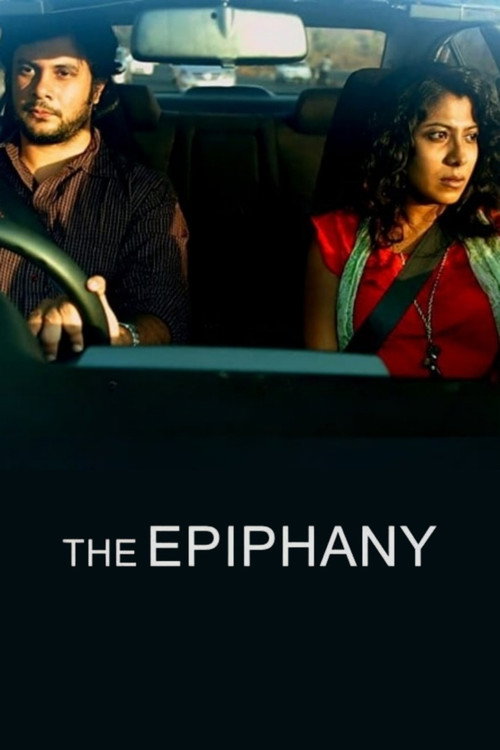
The Epiphany 2013
Directed by Neeraj Ghaywan, *The Epiphany (2013)* is a poignant 21-minute drama that follows a divorced couple reunited after years apart during a college trip in Pune.
Director: Neeraj Ghaywan
Cast


Frequently Asked Questions
What is The Epiphany (2013) about?
The film centers on a divorced couple whose reunion takes a detour when they're forced to help an elderly woman in distress. Their journey becomes a crucible for old resentments, exposing how class differences and moral conflicts resurface in unexpected ways.
Who directed The Epiphany?
Neeraj Ghaywan, known for his sharp storytelling in Indian cinema, directed *The Epiphany*.
Who stars in The Epiphany?
The film stars Ratnabali Bhattacharjee and Suhaas Ahuja in the lead roles, portraying the estranged couple.
Is The Epiphany (2013) worth watching?
While unrated on IMDb, *The Epiphany* delivers a compelling drama with tight storytelling and strong performances. Its concise runtime and thematic depth make it a thought-provoking watch for fans of character-driven films.
How long is The Epiphany?
The Epiphany runs for 21 minutes.
About The Epiphany (2013) — A 21-minute drama of class, morality, and unresolved pasts
Directed by Neeraj Ghaywan, *The Epiphany (2013)* is a poignant 21-minute drama that follows a divorced couple reunited after years apart during a college trip in Pune. Their journey back to Mumbai takes an unexpected turn when they encounter an elderly woman in desperate need of help, forcing them to confront lingering tensions tied to morality, class, and unresolved personal conflicts.
The film thrives on its raw emotional tension, as the couple's clashing perspectives reveal fractures in their past while offering a chance for reflection. Ghaywan crafts a tight, dialogue-driven narrative that lingers long after the credits roll, leaving viewers to ponder whether movement alone—or true change—can heal old wounds.