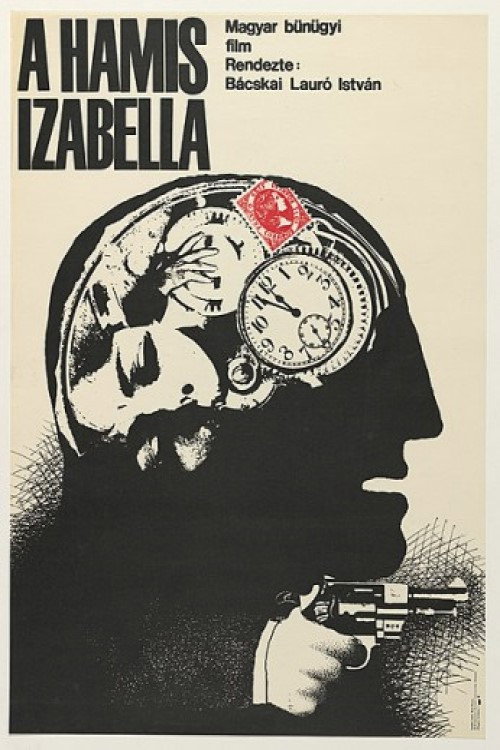
The Fake "Isabella" 1968
Dive into the shadowy alleys of 1968 Budapest with *The Fake "Isabella"*, a gripping Hungarian crime thriller that weaves a tale of deception, greed, and murder.
Director: István Bácskai Lauró
Cast



Frequently Asked Questions
What is The Fake "Isabella" (1968) about?
A teacher's search for her missing student uncovers a murder tied to a rare stamp, the "Fake Isabella." As the investigation progresses, the case reveals darker truths about greed and betrayal in 1960s Budapest.
Who directed The Fake "Isabella"?
István Bácskai Lauró directed this atmospheric crime thriller, known for his nuanced storytelling and attention to period detail.
Who stars in The Fake "Isabella"?
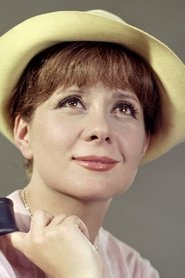
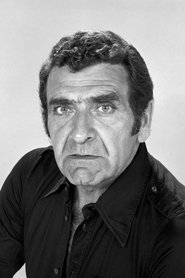
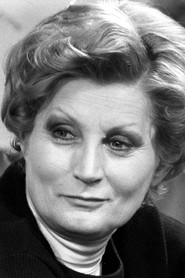
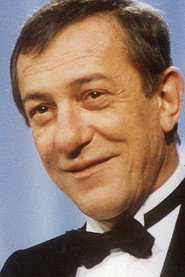
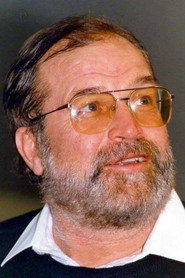
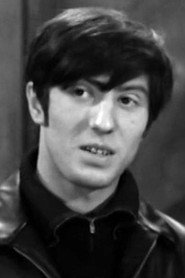
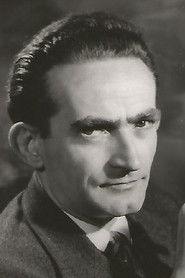
The film features standout performances from Éva Ruttkai, Kati Kovács, Ferenc Kállai, György Bárdy, and Erzsi Máthé in key roles.
Is The Fake "Isabella" (1968) worth watching?
While unrated, this 75-minute crime drama offers a tight, suspenseful narrative perfect for noir enthusiasts. Its blend of mystery and moral dilemmas makes it a compelling watch for fans of classic European thrillers.
How long is The Fake "Isabella"?
The film runs for 75 minutes, offering a concise yet immersive experience.
About The Fake "Isabella" (1968) — A Hungarian Crime Thriller Rooted in Deception and Greed
Dive into the shadowy alleys of 1968 Budapest with *The Fake "Isabella"*, a gripping Hungarian crime thriller that weaves a tale of deception, greed, and murder.
Directed by István Bácskai Lauró, this 75-minute noir-style mystery unfolds when a dedicated teacher, Márta Végh, arrives at a Buda villa searching for her missing student. Instead, she stumbles upon a lifeless tenant, Mrs. Paár, whose murder points to a priceless stamp—the titular "Fake Isabella." As the investigation deepens, clues reveal a web of secrets tied to the stamp's true value and the desperate hands that will kill to possess it. The film's tense atmosphere, sharp dialogue, and unexpected twists make it a hidden gem for fans of classic crime dramas.
Fueled by moral ambiguity and the allure of greed, *The Fake "Isabella" (1968)* delivers a compact yet intense viewing experience, where every character harbors a motive. The desaturated visuals and slow-burn pacing amplify the suspense, leaving audiences guessing until the final reveal.