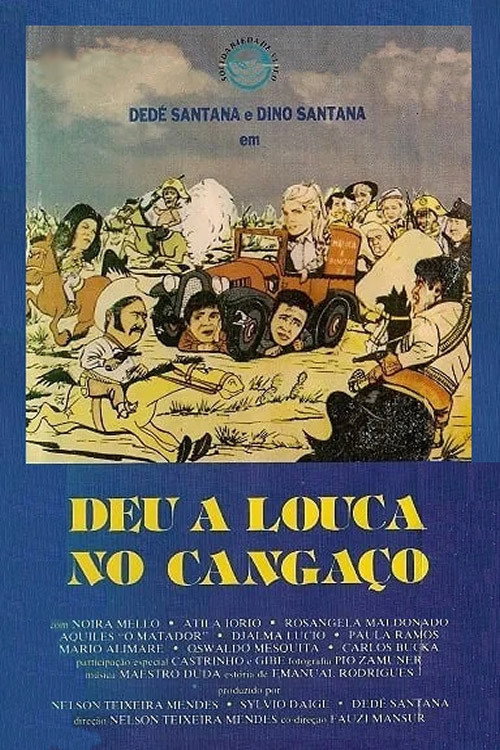
Deu a Louca no Cangaço 1969
In the midst of Brazil's Cangaço era, Deu a Louca no Cangaço (1969) brings a unique blend of comedy to the table. Directed by Nelson Teixeira Mendes, this film follows a group of characters as they navigate the challenges of their time.
Director: Nelson Teixeira Mendes
Cast






Frequently Asked Questions
What is Deu a Louca no Cangaço (1969) about?
The film follows a group of characters as they navigate the challenges of Brazil's Cangaço era, exploring themes of community and resilience.
Who directed Deu a Louca no Cangaço?
Nelson Teixeira Mendes brings his unique vision to the screen in Deu a Louca no Cangaço (1969).
Who stars in Deu a Louca no Cangaço?
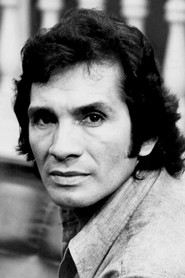
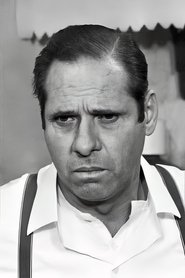
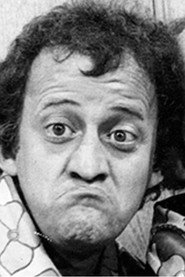
The talented cast of Deu a Louca no Cangaço (1969) includes Dedé Santana, Dino Santana, and Castrinho.
Is Deu a Louca no Cangaço (1969) worth watching?
While the film may not have a high IMDb rating, its unique blend of comedy and historical drama makes it a must-watch for fans of the genre.
How long is Deu a Louca no Cangaço?
Runtime details are not listed.
About Deu a Louca no Cangaço (1969) — A Comedy of Errors in Brazilian History
In the midst of Brazil's Cangaço era, Deu a Louca no Cangaço (1969) brings a unique blend of comedy to the table. Directed by Nelson Teixeira Mendes, this film follows a group of characters as they navigate the challenges of their time. With a talented cast including Dedé Santana, Dino Santana, and Castrinho, the movie explores themes of community and resilience. Set against the vibrant backdrop of Brazilian culture, Deu a Louca no Cangaço (1969) is a must-watch for fans of comedy and historical dramas. As the characters face various obstacles, they display a spirit that is both heartwarming and humorous.
The film's use of humor adds a lighthearted touch to the otherwise serious setting, making it an entertaining watch. With its talented cast and engaging storyline, Deu a Louca no Cangaço (1969) is sure to leave audiences smiling. If you're looking for a film that will transport you to a bygone era, look no further than Deu a Louca no Cangaço (1969).