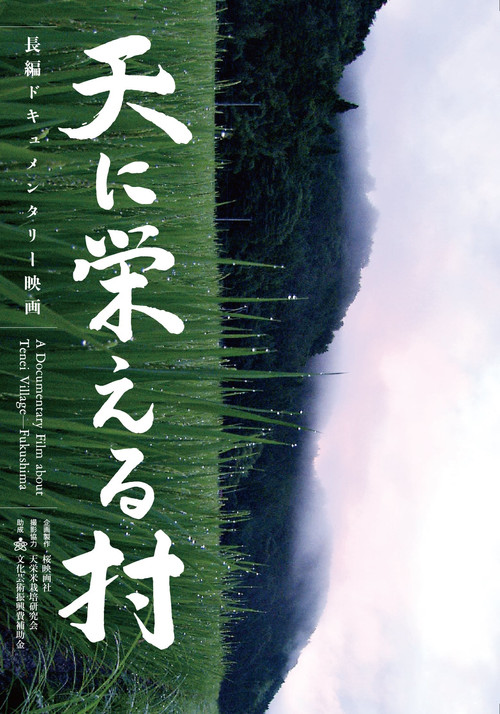
Going against the Grain in Fukushima 2015
In *Going against the Grain in Fukushima (2015)*, director Masaki Haramura shines a light on the quiet resilience of Tenei village, nestled 70 kilometers from the Fukushima Daiichi Nuclear Power Plant.
Director: Masaki Haramura
Cast

Frequently Asked Questions
What is Going against the Grain in Fukushima (2015) about?
This documentary follows the farmers of Tenei village in Fukushima as they confront the aftermath of the 2011 nuclear disaster. Determined to protect their land and livelihoods, they embark on a scientific journey to decontaminate their rice fields, defying both radiation and isolation.
Who directed Going against the Grain in Fukushima?
Masaki Haramura directed *Going against the Grain in Fukushima*, a poignant documentary that explores the intersection of environmental crisis and human endurance.
Who stars in Going against the Grain in Fukushima?
The documentary stars Kimiko Yo, a key figure in the film, alongside the resilient farmers of Tenei village who are central to its narrative.
Is Going against the Grain in Fukushima (2015) worth watching?
For viewers drawn to thought-provoking documentaries, *Going against the Grain in Fukushima* offers a deeply moving look at resilience and community. While unrated, its themes of perseverance and environmental stewardship make it a compelling watch for those interested in real-life struggles against the odds.
How long is Going against the Grain in Fukushima?
The documentary runs for 106 minutes, providing ample time to delve into its powerful story.
About Going against the Grain in Fukushima (2015) — A documentary about hope and resilience
In *Going against the Grain in Fukushima (2015)*, director Masaki Haramura shines a light on the quiet resilience of Tenei village, nestled 70 kilometers from the Fukushima Daiichi Nuclear Power Plant. When the 2011 disaster scattered radioactive particles across the pristine rice fields, the farmers faced an impossible choice: abandon their ancestral land or fight to reclaim it. Without government support, they turned to innovative, self-driven scientific methods to ensure food safety, hoping to preserve their heritage for generations to come.
The film captures the raw determination of these farmers, blending stark rural beauty with the unspoken tension of rebuilding trust in a world forever altered. Haramura's documentary is a poetic yet urgent meditation on community, sacrifice, and the delicate balance between humanity and nature. It asks whether tradition can triumph over catastrophe—and if the soil itself can heal.