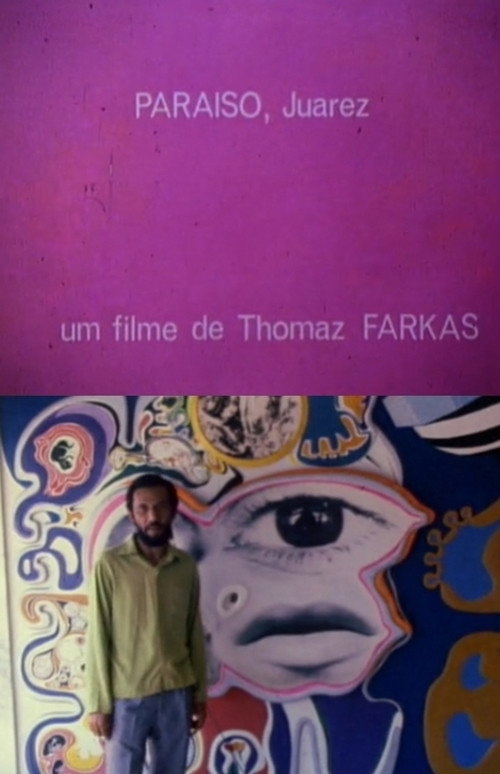
Paraíso, Juarez 1971
Dive into the vivid world of *Paraíso, Juarez (1971)*, Thomaz Farkas' brief yet striking documentary that captures the artist Juarez Paraíso at work.
Director: Thomaz Farkas
Cast
Frequently Asked Questions
What is *Paraíso, Juarez (1971)* about?
This short documentary follows artist Juarez Paraíso as he describes the creation and significance of the mural panels at Cinema Tupi's entrance in Salvador. It's a behind-the-scenes look at public art, blending personal insight with historical context.
Who directed *Paraíso, Juarez*?
The film was directed by Thomaz Farkas, a prominent figure in Brazilian photography and film who specialized in capturing cultural and artistic moments.
Who stars in *Paraíso, Juarez*?
The sole credited cast member is Juarez Paraíso, the artist featured in the documentary.
Is *Paraíso, Juarez (1971)* worth watching?
While it's an obscure gem, this six-minute documentary offers a unique peek into 1970s Brazilian art and urban culture. Its brevity and focus make it a quick but rewarding watch for art lovers, though it may not appeal to casual viewers.
How long is *Paraíso, Juarez*?
The film has a runtime of 6 minutes.
Paraíso, Juarez (1971): A Glimpse into Brazilian Art and Public Expression — Full Movie Info
Dive into the vivid world of *Paraíso, Juarez (1971)*, Thomaz Farkas' brief yet striking documentary that captures the artist Juarez Paraíso at work. In just six minutes, the film unfolds as the painter elaborates on the creation and symbolism behind the panels adorning Cinema Tupi's entrance in Salvador. Through Paraíso's own words, the short piece reveals not just the technical process, but the deeper cultural and artistic meanings woven into public art. The documentary's tight focus and intimate tone make it a fascinating snapshot of mid-century Brazilian modernism, blending creativity with everyday urban life.
Framed by Farkas' keen eye for visual storytelling, *Paraíso, Juarez* stands as a testament to the intersection of art and community. Its documentary style is understated yet evocative, offering viewers a glimpse into an era when public spaces became canvases for collective expression. Whether you're a fan of art documentaries or simply curious about 1970s Brazil, this six-minute gem delivers depth and charm in equal measure.