Wild Grass 2009
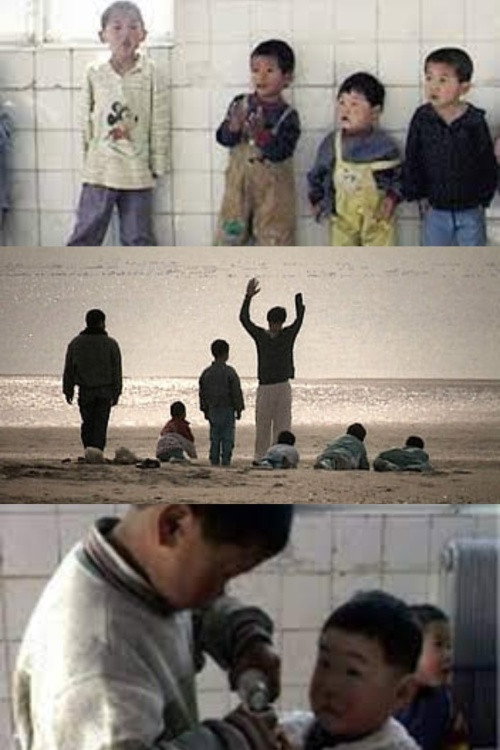
Wild Grass (2009) is a poignant documentary that offers a rare glimpse into the tightly guarded world of Chinese orphanages during the 1990s, a time when media access was heavily restricted by the government.
Director: Yang Lina
Frequently Asked Questions
What is Wild Grass (2009) about?
Wild Grass (2009) explores the hidden realities of Chinese orphanages during the 1990s, a period marked by strict media control. The documentary follows a local mother near Qingdao's orphanage as she documents the daily lives of children and caregivers, offering an intimate perspective rarely seen.
Who directed Wild Grass?
Wild Grass was directed by Yang Lina, a filmmaker known for her observational and sensitive approach to social documentary.
Who stars in Wild Grass?
The documentary features a local mother living near Qingdao's orphanage, along with the children and caregivers within the facility.
Is Wild Grass (2009) worth watching?
As a documentary, Wild Grass (2009) stands out for its rare access and emotional depth, making it a compelling watch for fans of intimate, socially conscious films. Its focus on humanity within institutional settings offers both thought-provoking and heartfelt moments.
How long is Wild Grass?
Wild Grass runs for 75 minutes.
About Wild Grass (2009) — A Documentary Journey into China's Orphanages
Wild Grass (2009) is a poignant documentary that offers a rare glimpse into the tightly guarded world of Chinese orphanages during the 1990s, a time when media access was heavily restricted by the government. Directed by Yang Lina, the film follows a dedicated mother living near Qingdao's orphanage as she navigates the delicate balance of documenting life within its walls. The documentary unfolds with quiet intensity, revealing the emotional landscapes of children and caregivers alike through intimate, unrestricted access.
Capturing moments of resilience and vulnerability, Wild Grass (2009) paints a nuanced portrait of institutional life from an insider's perspective. Yang Lina's observational style draws viewers into an atmosphere of both warmth and solemnity, where every frame feels like a discovery. The film challenges perceptions of orphanages as cold, impersonal spaces, instead highlighting the human connections that thrive even under restrictive circumstances.