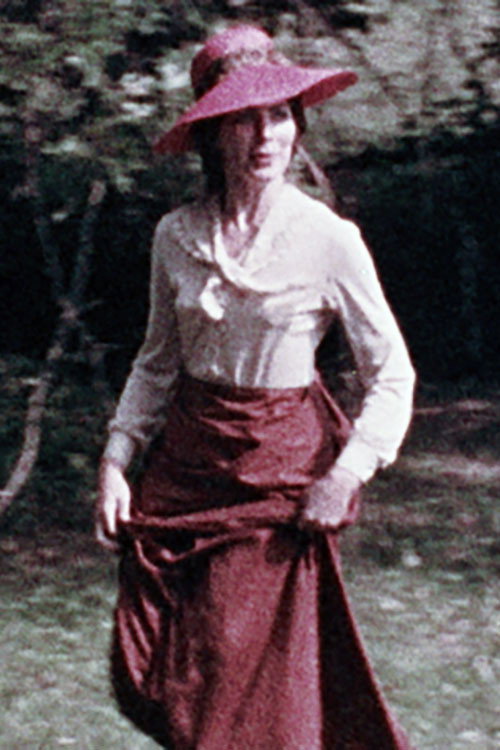
The Women's Happy Time Commune 1972
"The first all-women Western."
Directed by Sheila Paige, *The Women's Happy Time Commune* (1972) is a groundbreaking blend of comedy and Western that reimagines the Wild West through an all-female lens.
Director: Sheila Paige
Cast
Frequently Asked Questions
What is The Women's Happy Time Commune (1972) about?
This 1972 comedy-Western follows one woman's quest to recruit others for an all-female commune in 1850s America. The film blends humor and social commentary, portraying a group of women navigating independence, community, and identity in the untamed West.
Who directed The Women's Happy Time Commune?
The film was directed by Sheila Paige, a filmmaker known for her innovative and socially conscious work during the era.
Who stars in The Women's Happy Time Commune?
The main cast includes Roberta Hodes, Frances Cima, Judy March, Marylyn Landers, and Kathryn McHargue, delivering performances that feel both authentic and imaginative.
Is The Women's Happy Time Commune (1972) worth watching?
While it's a cult curiosity rather than a mainstream classic, this feminist Western offers a unique and playful take on gender roles and frontier life. Its short runtime and experimental tone make it a fascinating watch for fans of genre-defying cinema.
How long is The Women's Happy Time Commune?
The runtime is 47 minutes, a concise and energetic ride through its unconventional storyline.
About The Women's Happy Time Commune (1972) — The Feminist Western That Redefined the Genre
Directed by Sheila Paige, *The Women's Happy Time Commune* (1972) is a groundbreaking blend of comedy and Western that reimagines the Wild West through an all-female lens. Set in 1850, the film follows one determined woman's mission to gather a community of women willing to forge a life beyond traditional gender roles. With sharp, improvised wit and a Warholesque energy, the movie explores themes of independence, collaboration, and self-discovery, all wrapped in the rugged charm of a genre typically dominated by men. The story unfolds with a playful yet insightful lens on gender dynamics, offering a refreshingly idiosyncratic take on both feminism and frontier life.
The cast, including Roberta Hodes, Frances Cima, and Judy March, brings a delightful authenticity to their roles, inhabiting characters that blur the line between reality and fantasy. The film's off-handed, lyrical tone and freewheeling approach make it a standout in both Western and feminist cinema, capturing the spirit of rebellion and camaraderie in a way that feels both timeless and refreshingly ahead of its time.