Mad Mesh 1968
David E. Perry's *Mad Mesh (1968)* is a daring experimental short that pushes the boundaries of visual storytelling in just four minutes.
Director: David E. Perry
Frequently Asked Questions
What is Mad Mesh (1968) about?
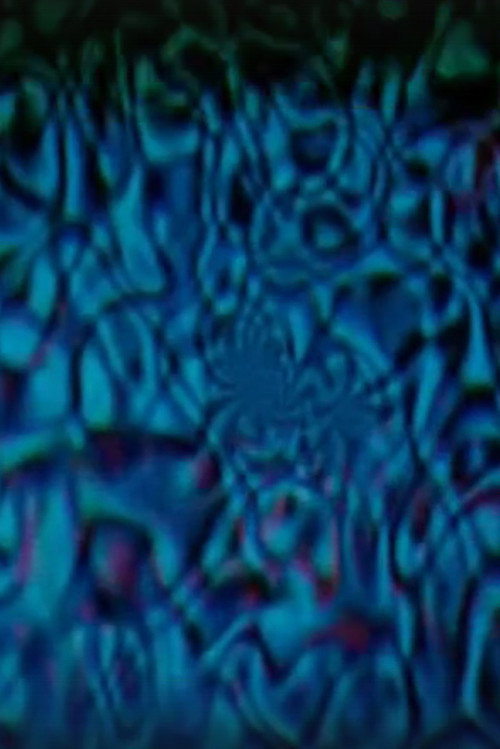
*Mad Mesh* is an abstract experimental film that immerses viewers in a rapid-fire collage of visual and auditory sensations. Its four-minute runtime is packed with disorienting imagery, layered sounds, and shifting textures, leaving interpretation entirely up to the audience. Think of it as a cinematic hallucination rather than a traditional narrative.
Who directed Mad Mesh?
Director information is not available.
Who stars in Mad Mesh?
Cast details for *Mad Mesh (1968)* are not listed.
Is Mad Mesh (1968) worth watching?
As an unrated experimental short, *Mad Mesh* isn't for everyone—but it's a fascinating time capsule of 1960s avant-garde filmmaking. If you're curious about boundary-pushing cinema or curious about David E. Perry's work, it's worth a look, though expectations for a conventional plot should be set aside. Its brevity is both its strength and its limitation.
How long is Mad Mesh?
The runtime for *Mad Mesh* is 4 minutes.
About Mad Mesh (1968) — A Four-Minute Experimental Cinema Experience
David E. Perry's *Mad Mesh (1968)* is a daring experimental short that pushes the boundaries of visual storytelling in just four minutes. The film unfolds like a fever dream, blending abstract imagery with hypnotic soundscapes to create an immersive experience that lingers long after the credits roll. Perry's avant-garde approach challenges conventional narrative, inviting viewers to interpret the shifting patterns and textures on screen—whether as a meditation on chaos, a critique of modern life, or simply a bold artistic statement. The atmosphere is electric, oscillating between frenetic energy and eerie stillness, leaving audiences to question what they've just witnessed.
Emerging from the experimental film movement of the 1960s, *Mad Mesh* stands out for its raw, unfiltered creativity. While traditional plots take a backseat, the film's power lies in its ability to evoke emotion through sheer visual and auditory experimentation. Perry's work is a testament to the era's spirit of rebellion, where filmmakers sought to break free from constraints and redefine cinema itself. For those drawn to the unconventional, this micro-cinematic gem offers a glimpse into the mind of a true innovator.