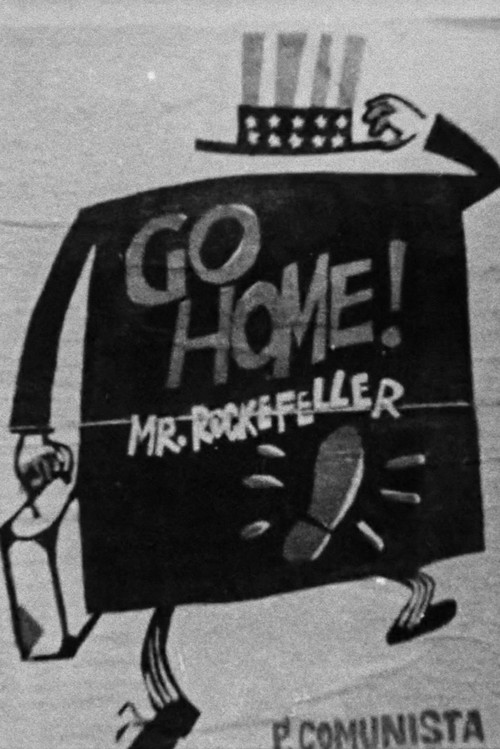
Liber Arce, liberarse 1969
Mario Handler's pivotal 1969 documentary *Liber Arce, liberarse* captures a defining moment in Uruguay's social history when the fatal police shooting of student Liber Arce during a protest ignited mass public outrage.
Director: Mario Handler
Frequently Asked Questions
What is Liber Arce, liberarse (1969) about?
This documentary chronicles the fatal police shooting of student Liber Arce during a protest in Uruguay and the massive funeral march that followed. It examines the events leading to his death and the public's demand for accountability, capturing a turning point in the country's fight for civil rights.
Who directed Liber Arce, liberarse?
Mario Handler directed *Liber Arce, liberarse*. Known for his socially conscious documentaries, Handler's work often highlights political and human rights issues in Uruguay.
Who stars in Liber Arce, liberarse?
The film features Liber Arce as the central figure, alongside the protestors, mourners, and police involved in the events it portrays. Cast details are largely collective, reflecting real-life participants.
Is Liber Arce, liberarse (1969) worth watching?
While unrated and brief, *Liber Arce, liberarse* offers profound historical insight and emotional impact. Its raw depiction of resistance and repression makes it a compelling watch for fans of political cinema and documentary history.
How long is Liber Arce, liberarse?
Liber Arce, liberarse has a runtime of 10 minutes.
About Liber Arce, liberarse (1969) — The student, the protest, and the power of a nation's cry for justice
Mario Handler's pivotal 1969 documentary *Liber Arce, liberarse* captures a defining moment in Uruguay's social history when the fatal police shooting of student Liber Arce during a protest ignited mass public outrage. The film documents the lead-up to his death, the raw grief of his funeral procession, and the surge of defiance it unleashed—transforming a slain young man into a symbol of resistance. With a stark black-and-white aesthetic, Handler crafts an unflinching portrait of state violence and collective mourning, weaving personal stories into the broader struggle for justice. The film's brevity belies its emotional weight, leaving viewers with a haunting reflection on the cost of freedom and the power of resistance.
Though modest in length, *Liber Arce, liberarse* resonates deeply as both a historical record and a cinematic wake-up call. Its urgency stems from its unfiltered lens on oppression, framing everyday courage as a catalyst for change. Handler's approach blends observational realism with a poetic undercurrent, ensuring the film remains as relevant today as it was in 1969.