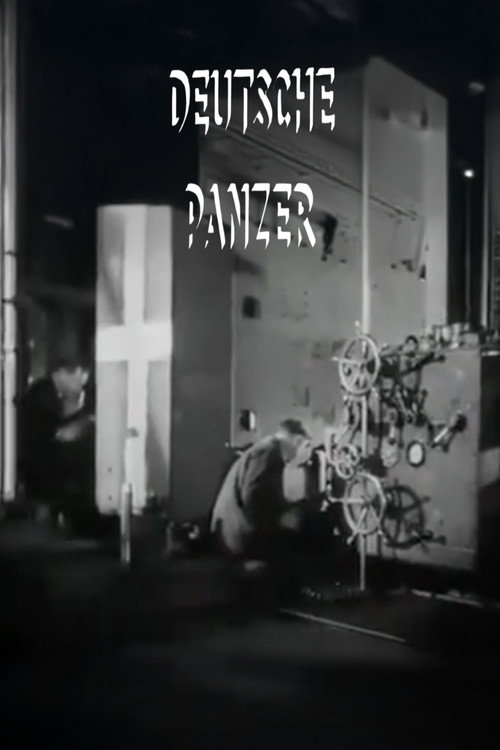
German Tanks 1940
Walter Ruttmann's *German Tanks* (1940) offers a rare, behind-the-scenes glimpse into the industrial might of Nazi Germany during the early days of World War II.
Director: Walter Ruttmann
Frequently Asked Questions
What is German Tanks (1940) about?
This documentary provides a detailed look at the manufacturing process of German tanks during the early years of World War II. It follows the journey from raw materials to finished vehicles, showcasing the industrial scale and logistical efforts behind wartime production.
Who directed German Tanks?
The film was directed by Walter Ruttmann, a pioneering German filmmaker known for his experimental and documentary work during the early 20th century.
Who stars in German Tanks?
Cast information for this documentary is not available in historical records.
Is German Tanks (1940) worth watching?
As a 13-minute documentary from a legendary filmmaker, *German Tanks* offers a unique historical perspective, though its propagandistic intent may limit its appeal. It's best suited for students of WWII history or fans of vintage documentaries.
How long is German Tanks?
The runtime of *German Tanks* is 13 minutes.
About German Tanks (1940) — Nazi Germany's Industrial Might Captured on Film
Walter Ruttmann's *German Tanks* (1940) offers a rare, behind-the-scenes glimpse into the industrial might of Nazi Germany during the early days of World War II. This 13-minute documentary dissects the meticulous process behind tank production, from raw materials to assembly lines, revealing the machinery and workforce driving wartime innovation. The film captures a chilling period in history, where technological ambition collides with geopolitical tension, immersing viewers in a world of steel, sweat, and secrecy. While its perspective is rooted in propaganda, it stands as a historical artifact that documents the industrial scale of one of history's most tumultuous eras.
As a visual essay, *German Tanks* combines stark industrial imagery with Ruttmann's signature documentary style, blending cold precision with an undercurrent of urgency. The film's atmosphere is one of controlled intensity—less about glorification and more about the sheer scale of wartime machinery. For historians and film buffs alike, it's a fascinating study of how propaganda and production intertwined during a pivotal moment in global conflict.