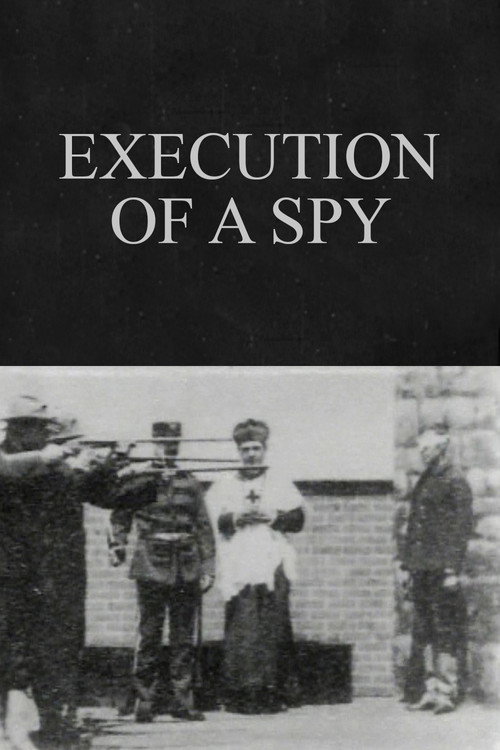
Execution of a Spy 1900
Step into the tense world of early cinema with *Execution of a Spy (1900)*, a gripping one-minute silent film that delivers raw historical drama.
Frequently Asked Questions
What is Execution of a Spy (1900) about?
This silent-era short film depicts the grim execution of a suspected spy by firing squad, stripped of dialogue but rich in historical tension. The one-minute runtime condenses a moment of high drama, leaving audiences to reflect on the cost of espionage in a pre-war world.
Who directed Execution of a Spy?
Director information is not available.
Who stars in Execution of a Spy?
Cast details are not listed for this 1900 short film.
Is Execution of a Spy (1900) worth watching?
As a piece of early cinema history, *Execution of a Spy* offers a fascinating glimpse into 1900s filmmaking, though its brevity and lack of context may limit its appeal. Silent film enthusiasts and historians will appreciate its raw authenticity, but casual viewers might find it too minimalist.
How long is Execution of a Spy?
The runtime is 1 minute.
About Execution of a Spy (1900) — The Haunting True Story Behind Early Cinema's Shortest Drama
Step into the tense world of early cinema with *Execution of a Spy (1900)*, a gripping one-minute silent film that delivers raw historical drama. Directed by an unknown filmmaker, this short captures the stark reality of espionage in a bygone era, where a suspected spy faces the ultimate penalty. The film's minimal runtime packs maximum impact, immersing viewers in a grim tableau of justice and betrayal. Its themes of secrecy, punishment, and moral ambiguity resonate through the grainy black-and-white footage, evoking the starkness of early 20th-century storytelling. For silent film enthusiasts and history buffs alike, *Execution of a Spy* offers a rare glimpse into the raw, unfiltered cinema of the past.
Though shrouded in mystery with no known cast or director, the film's historical significance lies in its unflinching portrayal of a spy's fate. The execution itself becomes a haunting spectacle, stripped of embellishment, leaving audiences to ponder the weight of loyalty and consequence. As a cornerstone of early filmmaking, it stands as a testament to cinema's power to document history with uncompromising honesty.