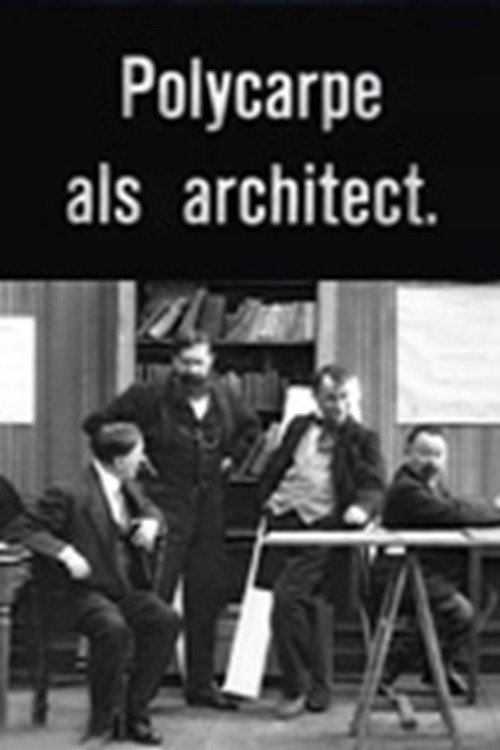
Polycarpe commis d'architecte 1913
In the delightfully chaotic world of early 20th-century cinema, *Polycarpe commis d'architecte* (1913) delivers a rapid-fire comedy that showcases the sheer absurdity of miscommunication and mishaps.
Cast
Frequently Asked Questions
What is Polycarpe commis d'architecte (1913) about?
The film follows Polycarpe, a well-meaning but accident-prone architectural assistant whose attempts to assist at a construction site instead lead to a series of hilarious mishaps. His clumsiness disrupts every task, turning the site into a playground of chaos. It's a classic example of early silent-era comedies relying on physical humor and visual gags.
Who directed Polycarpe commis d'architecte?
Director information for *Polycarpe commis d'architecte* (1913) is not available.
Who stars in Polycarpe commis d'architecte?
The film stars Charles Servaès in the title role, bringing the comedic antics to life with his expressive performance.
Is Polycarpe commis d'architecte (1913) worth watching?
While lacking an IMDb rating, *Polycarpe commis d'architecte* offers a charming glimpse into early silent comedies, where slapstick and visual storytelling shine. Its short runtime makes it a quick, delightful watch for fans of early cinema and classic comedy styles. If you enjoy vintage humor and historical films, it's absolutely worth a look.
How long is Polycarpe commis d'architecte?
*Polycarpe commis d'architecte* (1913) runs approximately 6 minutes.
About Polycarpe commis d'architecte (1913) — Early Silent Comedy Full of Slapstick Mayhem
In the delightfully chaotic world of early 20th-century cinema, *Polycarpe commis d'architecte* (1913) delivers a rapid-fire comedy that showcases the sheer absurdity of miscommunication and mishaps. Directed by an unknown filmmaker, this six-minute silent gem follows Polycarpe, a bumbling architectural assistant whose presence at a construction site turns every task into a slapstick disaster. The film thrives on the era's love for exaggerated physical humor and the charm of clumsy protagonists, capturing the playful spirit of silent-era comedies. With its hectic pacing and visual gags, it's a snapshot of how early filmmakers crafted laughter from everyday chaos.
The comedy shines through its physical antics, as Polycarpe's well-intentioned efforts spiral into unintended destruction, a hallmark of the genre. The atmosphere is lighthearted and energetic, with a focus on visual storytelling that predates modern dialogue-heavy comedies. While the director remains a mystery, the film stands as a testament to the creativity of early cinema, offering a glimpse into the comedic styles that would evolve over the decades.