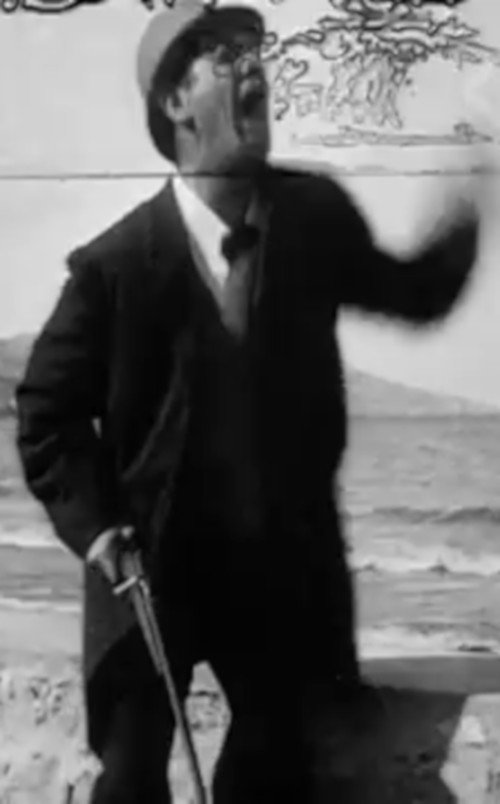
Polycarpe Wants to Make a Hit 1914
In this short silent comedy, Polycarpe Wants to Make a Hit (1914) introduces audiences to the chaotic antics of a homeless man who seizes an unlikely opportunity for mischief.
Director: Ernest Servaès
Cast
Frequently Asked Questions
What is Polycarpe Wants to Make a Hit (1914) about?
This early silent comedy follows Polycarpe, a homeless man who steals a rifle from careless hunters and stumbles into a series of reckless, comedic mishaps. His mindless shooting spree becomes a farcical adventure, blending slapstick humor with the unpredictability of early cinema. The film's brief runtime packs a punch with absurdity and physical comedy.
Who directed Polycarpe Wants to Make a Hit?
Ernest Servaès directed this short film, showcasing his knack for visual storytelling in the silent era.
Who stars in Polycarpe Wants to Make a Hit?
The film stars Charles Servaès, who brings Polycarpe's chaotic antics to life with physical comedy and expressive charm.
Is Polycarpe Wants to Make a Hit (1914) worth watching?
While it's a silent short with no IMDb rating, its historical value as an early comedy and its brisk, absurd humor make it a fascinating watch for silent film enthusiasts. The film's charm lies in its simplicity and the playful energy of its lead performer.
How long is Polycarpe Wants to Make a Hit?
The film runs for approximately 4 minutes.
🎥 Trailer
About Polycarpe Wants to Make a Hit (1914) — A Silent Comedy Classic of Chaos and Mischief
In this short silent comedy, Polycarpe Wants to Make a Hit (1914) introduces audiences to the chaotic antics of a homeless man who seizes an unlikely opportunity for mischief. Directed by Ernest Servaès, this four-minute film follows Polycarpe as he swipes a rifle from carefree hunters and launches into a frenzied, aimless rampage through the countryside. The atmosphere crackles with absurd energy, blending slapstick humor with the surreal unpredictability of early cinema. While the stakes feel low—no one is truly harmed—the sheer audacity of Polycarpe's actions turns chaos into farce, a hallmark of the silent film era's playful spirit.
The film's charm lies in its minimalist storytelling and the physical comedy of Charles Servaès, the director's brother, who plays Polycarpe with wide-eyed determination. Though modest in length, *Polycarpe Wants to Make a Hit* captures the era's fascination with mischief and the absurd, offering a snapshot of a time when even the briefest comedies could leave a lasting impression. Its themes of opportunism and chaos feel timeless, proving that sometimes the funniest hits are the ones never planned.