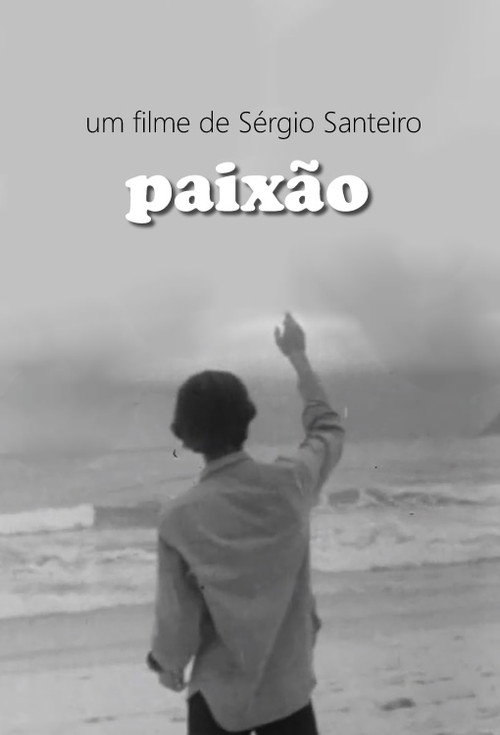
Paixão 1965
Paixão (1965), directed by Sérgio Santeiro, is a sharp, concise comedy that uses three distinct characters as a lens to explore Brazil's 1964 military coup through the power of words.
Director: Sérgio Santeiro
Cast

Frequently Asked Questions
What is Paixão (1965) about?
This short comedy-drama by Sérgio Santeiro uses the backdrop of Brazil's 1964 military coup to tell a story about three individuals who find common ground through dialogue and wit. It's a parable of unity and resistance, where language becomes both weapon and salvation.
Who directed Paixão?
Paixão was directed by Sérgio Santeiro, a filmmaker known for blending social commentary with accessible storytelling.
Who stars in Paixão?
José Wilker headlines the cast in this short film.
Is Paixão (1965) worth watching?
While short and unrated, Paixão offers a unique blend of comedy and political allegory that resonates beyond its decade. Fans of short films with depth or Brazilian cinema will find its themes compelling and its execution memorable.
How long is Paixão?
Paixão has a runtime of 10 minutes.
About Paixão (1965) — Comedy short that turns a coup into a parable of power and speech
Paixão (1965), directed by Sérgio Santeiro, is a sharp, concise comedy that uses three distinct characters as a lens to explore Brazil's 1964 military coup through the power of words. This ten-minute parable blends wit with political commentary, capturing the tension of a nation caught between authoritarian shifts and creative resistance. Set against the backdrop of a changing society, the film's humor and irony serve as both escape and critique, inviting viewers to reflect on how language shapes power—and how power, in turn, shapes language.
Though brief, Paixão packs emotional weight and intellectual depth, offering a microcosm of larger societal upheaval. Santeiro's direction and José Wilker's standout performance infuse the short runtime with energy and meaning, transforming a political moment into a timeless allegory about unity, persuasion, and the fragile balance of ideals. It's a rare gem—a film that's both a product of its time and a mirror to ours.