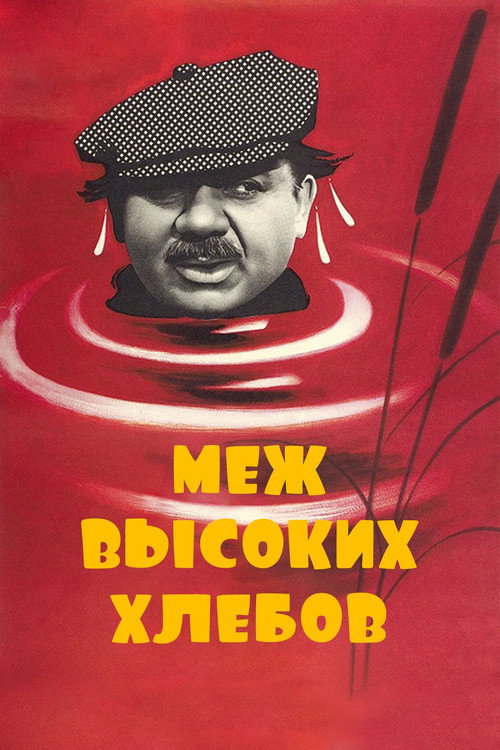
Between the High Crops 1970
In the quaint Soviet-era village of Between the High Crops (1970), a young man navigates the ups and downs of rural life under the direction of Leonid Millionshchikov.
Director: Leonid Millionshchikov
Cast


Frequently Asked Questions
What is Between the High Crops (1970) about?
The film follows a young man's daily adventures in a small village, where laughter and heartache intertwine as he navigates love, work, and community bonds. It's a slice-of-life tale that balances humor with quiet reflection.
Who directed Between the High Crops?
Between the High Crops was directed by Leonid Millionshchikov, a filmmaker known for his insightful and often humorous takes on Soviet rural life.
Who stars in Between the High Crops?
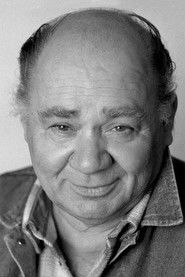
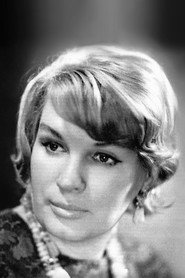
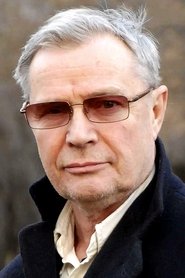
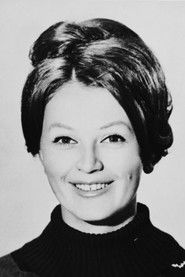
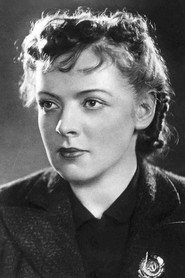
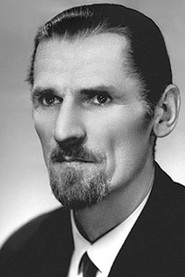
The film features an ensemble cast led by Evgeni Leonov, Zinaida Dekhtyaryova, Margarita Krinitsyna, Valentina Titova, and Lev Prygunov.
Is Between the High Crops (1970) worth watching?
While Between the High Crops isn't as widely celebrated as some Soviet classics, its gentle charm and authentic portrayal of rural life make it a warm, enjoyable watch for fans of vintage comedies and character-driven storytelling.
How long is Between the High Crops?
Between the High Crops runs for 81 minutes.
About Between the High Crops (1970) — Soviet Comedy with Heart and Humor
In the quaint Soviet-era village of Between the High Crops (1970), a young man navigates the ups and downs of rural life under the direction of Leonid Millionshchikov. This lighthearted Soviet comedy blends laughter and gentle melancholy as it follows his journey through love, friendship, and the simple yet profound challenges of village existence.
The film's charming atmosphere is enriched by standout performances from Evgeni Leonov, Zinaida Dekhtyaryova, and Margarita Krinitsyna, whose characters bring warmth and humor to the screen. With its focus on the trials and triumphs of everyday life, Between the High Crops captures the essence of human resilience and community in a way that feels both timeless and distinctly rooted in its era.