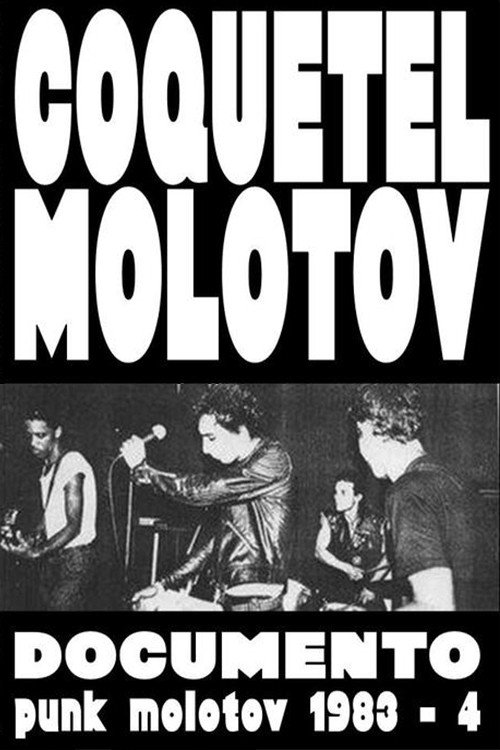
Punk Molotov 1983
Punk Molotov (1983) dives into the raw energy of Brazil's embryonic punk scene, tracing the rise of Coquetel Molotov, the country's first punk band, born in Rio de Janeiro's working-class Meier neighborhood.
Frequently Asked Questions
What is Punk Molotov (1983) about?
This documentary chronicles the formation of Coquetel Molotov, Brazil's pioneer punk band, in Rio de Janeiro during the early 1980s. It explores their roots in skate culture and how their music became a rallying cry amid the country's political unrest.
Who directed Punk Molotov?
Director information is not available.
Who stars in Punk Molotov?
The documentary features key members of Coquetel Molotov, including Lúcio Flávio, Tatu, and César, along with Omar Nine.
Is Punk Molotov (1983) worth watching?
As a rare glimpse into Brazil's punk genesis, Punk Molotov (1983) offers a compelling mix of music and social history. While its IMDb rating is unrated, its cultural significance and raw energy make it a must-see for punk enthusiasts and music historians.
How long is Punk Molotov?
Runtime details are not listed.
About Punk Molotov (1983) — The explosive birth of Brazil's first punk band
Punk Molotov (1983) dives into the raw energy of Brazil's embryonic punk scene, tracing the rise of Coquetel Molotov, the country's first punk band, born in Rio de Janeiro's working-class Meier neighborhood. Mostly students and skaters from local rinks, the band emerged amid the turbulent political climate of early 1980s Brazil, where military rule was cracking and new voices demanded change. Their music wasn't just rebellion—it was a sonic Molotov cocktail hurled at the status quo, blending frenetic energy with defiant lyrics. This documentary captures the gritty authenticity of their journey, from skate parks to stages, as they navigated a world hungry for something raw and real.
Through archival footage and intimate interviews, Punk Molotov (1983) paints a vivid portrait of cultural upheaval, where music and skateboarding fused into a powerful subculture. It's more than a band's story—it's a snapshot of a generation refusing to be ignored, riding the wave of punk's global explosion while rooted in the heart of Rio's suburbs. For fans of music history and social movements, this film is a time capsule of fearless creativity.