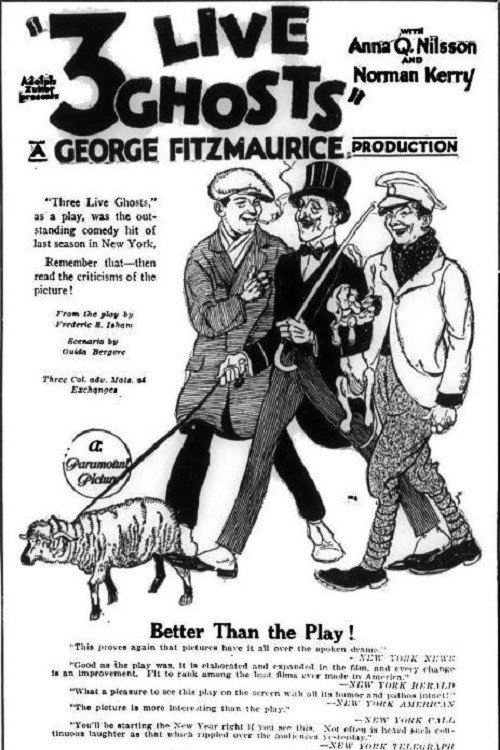
Three Live Ghosts 1922
Three Live Ghosts (1922) spins a darkly comedic tale that follows three British soldiers returning from World War I, only to find themselves declared legally deceased by a bureaucratic mix-up.
Director: George Fitzmaurice
Cast

Frequently Asked Questions
What is Three Live Ghosts (1922) about?
The film centers on three World War I veterans who return to London after the war, only to discover they've been declared dead due to a bureaucratic error. Stranded in a world that refuses to acknowledge their existence, they navigate a series of comedic and chaotic misadventures to reclaim their identities.
Who directed Three Live Ghosts?
Three Live Ghosts was directed by George Fitzmaurice, a filmmaker known for his work in both silent and early sound cinema.
Who stars in Three Live Ghosts?
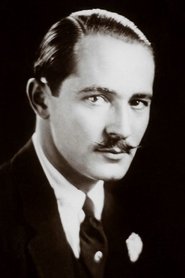
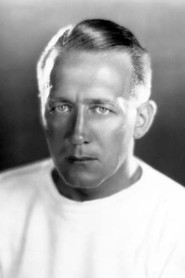
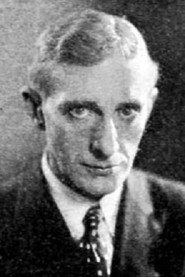
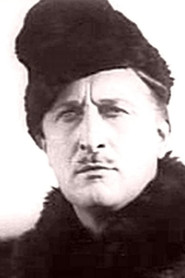
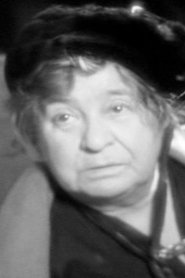
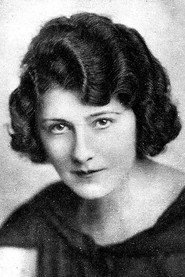
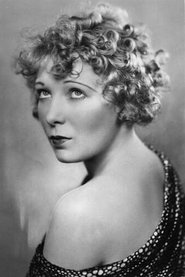
The film features a talented ensemble cast including Norman Kerry, Anna Q. Nilsson, Edmund Goulding, John Miltern, and Cyril Chadwick in leading roles.
Is Three Live Ghosts (1922) worth watching?
While Three Live Ghosts doesn't have an IMDb rating to gauge popularity, its blend of wartime satire, dark comedy, and clever plotting makes it a fascinating watch for fans of silent-era films. The movie's unique premise and sharp performances give it a distinctive charm.
How long is Three Live Ghosts?
Three Live Ghosts has a runtime of 60 minutes.
About Three Live Ghosts (1922) — A Silent-Era Comedy of Mistaken Identity and War's Aftermath
Three Live Ghosts (1922) spins a darkly comedic tale that follows three British soldiers returning from World War I, only to find themselves declared legally deceased by a bureaucratic mix-up. Directed by George Fitzmaurice, this silent-era gem blends wartime satire with a twisty narrative of mistaken identity. The film captures the absurdist humor and chaos of post-war London, where bureaucracy trumps reality, and the living must prove they're actually alive. With a stellar cast led by Norman Kerry and Anna Q. Nilsson, the story explores themes of identity, survival, and the absurdity of war's aftermath. The atmosphere is a mix of wry wit and melancholic charm, where the ghosts in question aren't spectral—just ghosts of the past clinging to the present.
This silent comedy stands out for its clever script and sharp performances, offering a unique take on the post-war experience. Fitzmaurice's direction brings levity to a heavy topic, making it both entertaining and thought-provoking. The film's charm lies in its ability to juxtapose humor with the stark realities of war, creating a tone that's equal parts poignant and playful.