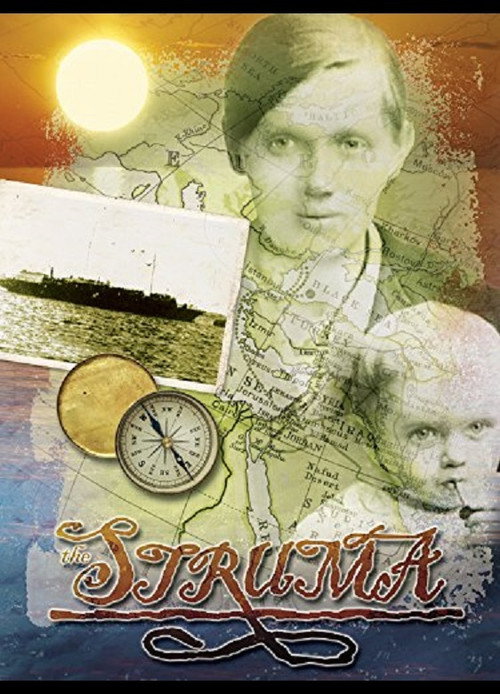
The Struma 2002
The Struma (2002) is a gripping documentary that plunges viewers into a harrowing historical moment, when nearly 800 Romanian Jewish refugees boarded a cramped, 46-meter vessel in 1941, dreaming of safety in Palestine.
Frequently Asked Questions
What is The Struma (2002) about?
The Struma (2002) recounts the true story of 800 Romanian Jewish refugees who boarded a small, ill-fated boat in 1941, seeking escape to Palestine. Engine failure left them stranded, and their arrival in Istanbul Harbor became a limbo of bureaucracy and fading hope, as war-era neutrality delayed their survival.
Who directed The Struma?
Director information is not available.
Who stars in The Struma?
The documentary features survivor testimonies and archival footage, with no prominent actors listed.
Is The Struma (2002) worth watching?
Though unrated on IMDb, The Struma (2002) is a poignant, historically significant documentary that offers a raw look at wartime bureaucracy and human suffering. Its tight 92-minute runtime and focus on a lesser-known tragedy make it a compelling watch for history and documentary enthusiasts alike.
How long is The Struma?
The Struma (2002) has a runtime of 92 minutes.
About The Struma (2002) — A Wartime Documentary on Refugee Fate and Humanity's Cost
The Struma (2002) is a gripping documentary that plunges viewers into a harrowing historical moment, when nearly 800 Romanian Jewish refugees boarded a cramped, 46-meter vessel in 1941, dreaming of safety in Palestine. But fate had other plans: engine failure left the Struma adrift, and its arrival in Istanbul Harbor marked the beginning of a tragic standoff. As Turkey maintained a fragile neutrality during World War II, the passengers' desperate pleas for refuge were met with bureaucratic delays, painting a stark picture of wartime indifference and the fragility of human hope.
This documentary masterfully captures the claustrophobic horror of life aboard the Struma—where passengers were packed like sardines—and the crushing disappointment of dashed expectations. Through archival footage and survivor testimonies, The Struma (2002) transforms a forgotten chapter of history into a visceral, emotionally charged experience, echoing themes of resilience, bureaucracy, and the cost of neutrality.