Kakekomi 2015
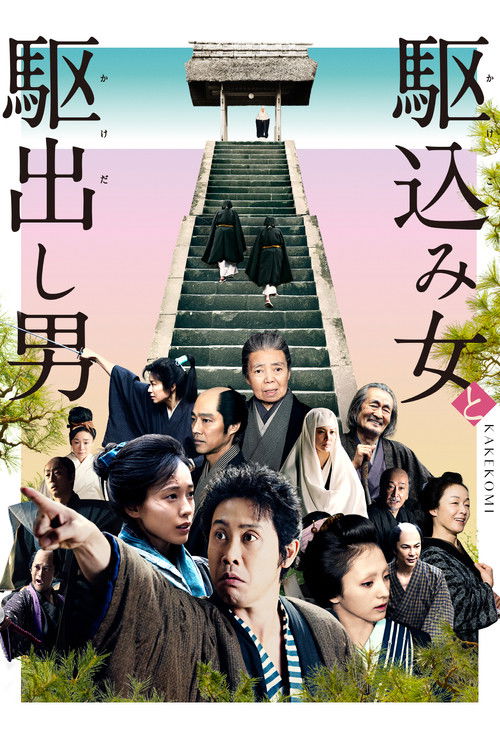
Directed by Masato Harada, *Kakekomi* (2015) unfolds in the bustling Edo period as a heartfelt comedy-drama that follows women seeking refuge from oppressive relationships.
Director: Masato Harada
Cast

Erika Toda
Jogo

Hikari Mitsushima
Ogin

Yo Oizumi
Nobujiro Nakamura

Kirin Kiki
Genbei

Shinichi Tsutsumi
Saburoemon

Rina Uchiyama
Yuu Togasaki

Tsutomu Yamazaki
Bakin Kyokutei

Shinji Takeda
Juzo

Midoriko Kimura
Okatsu

Misuzu Kanno
Oyuki
Frequently Asked Questions
What is Kakekomi (2015) about?
*Kakekomi* follows the lives of Edo-period women who flee abusive relationships and seek refuge at Tokeiji, a historic monastery in Kamakura. Their journeys intertwine as they navigate the challenges of survival, self-discovery, and the fight for independence in a rigid society.
Who directed Kakekomi?
Kakekomi was directed by Masato Harada, known for his evocative storytelling and deep engagement with historical and social themes.
Who stars in Kakekomi?
The film stars Erika Toda, Hikari Mitsushima, Yo Oizumi, Kirin Kiki, Shinichi Tsutsumi, and Rina Uchiyama in key roles.
Is Kakekomi (2015) worth watching?
While not rated on IMDb, *Kakekomi* stands out for its blend of comedy and drama, anchored by strong performances and a compelling story. Fans of period pieces with emotional depth and thematic richness will likely find it rewarding.
How long is Kakekomi?
Kakekomi runs for 146 minutes.
🎥 Trailer
About Kakekomi (2015) — Edo Women's Escape to Freedom in a Hidden Monastery
Directed by Masato Harada, *Kakekomi* (2015) unfolds in the bustling Edo period as a heartfelt comedy-drama that follows women seeking refuge from oppressive relationships. Set in a serene Kamakura monastery, the film weaves together the stories of Edo women escaping abusive partners, their struggles for independence, and the sanctuary found within the walls of Tokeiji. With Erika Toda and Hikari Mitsushima leading an outstanding cast, Harada crafts a visually rich and emotionally resonant tale that blends humor with poignant social commentary.
Against a backdrop of historical tension and cultural expectations, *Kakekomi* explores themes of resilience, freedom, and the quiet rebellion of those who dare to reclaim their lives. The monastery becomes a symbol of hope, offering these women a chance at dignity and self-determination in a society that often denied them both. The film's gentle pacing and nuanced performances draw viewers into a world where laughter and tears intertwine, making it a standout in period cinema.