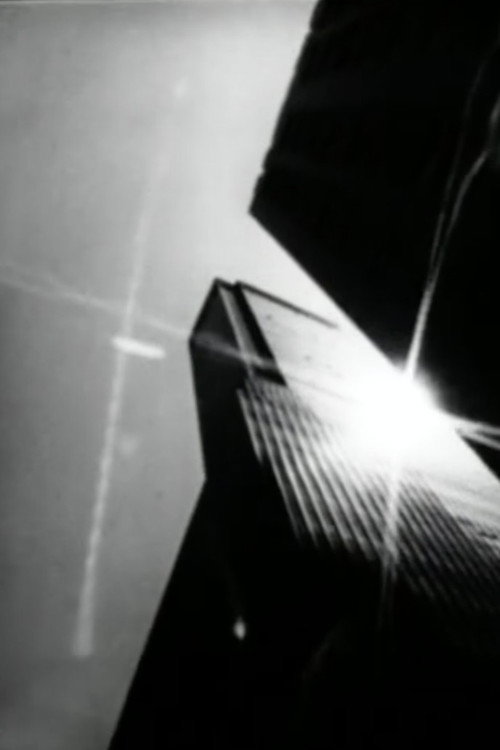
Film Montagen I 1965
Film Montagen I (1965) marks the bold debut in a groundbreaking 22-part montage series crafted by visionary German artist Peter Roehr.
Director: Peter Roehr
Frequently Asked Questions
What is Film Montagen I (1965) about?
Film Montagen I is the first film in a 22-part experimental series by Peter Roehr, featuring a rapid montage of images and sounds. The nine-minute short defies traditional storytelling, emphasizing rhythm and abstraction over narrative.
Who directed Film Montagen I?
Film Montagen I was directed by Peter Roehr, a pioneering German artist known for his avant-garde film techniques and contributions to experimental cinema.
Who stars in Film Montagen I?
Cast details for Film Montagen I are not publicly available.
Is Film Montagen I (1965) worth watching?
While it lacks a traditional plot or cast, Film Montagen I offers a unique snapshot of 1960s experimental cinema. Its innovative style may appeal to fans of abstract art and avant-garde filmmakers, though casual viewers might find it challenging.
How long is Film Montagen I?
Film Montagen I has a runtime of 9 minutes.
About Film Montagen I (1965) — The 9-Minute Experimental Debut by Peter Roehr
Film Montagen I (1965) marks the bold debut in a groundbreaking 22-part montage series crafted by visionary German artist Peter Roehr. This nine-minute experimental short immerses viewers in a rapid-fire collage of images and sounds, pushing the boundaries of traditional filmmaking while reflecting the avant-garde spirit of 1960s European cinema. Roehr's innovative approach blends abstract visuals with rhythmic editing, creating a hypnotic atmosphere that challenges perceptions of narrative and form. The piece feels both playful and profound, leaving audiences to interpret its fragmented layers.
As the inaugural installment in Roehr's ambitious project, Film Montagen I sets the tone for a series that would later redefine experimental film. Though modest in length, its experimental nature invites repeated viewings, rewarding those who engage with its cryptic yet evocative sequences. The film's raw energy and minimalist aesthetic make it a fascinating artifact of its time, appealing to cinephiles and art historians alike who seek to explore the intersection of art and cinema.