Mördergesellschaft 1968
Dive into the shadowy depths of post-war Germany with *Mördergesellschaft (1968)*, a crime thriller that weaves a tale of deceit, betrayal, and the sinister underbelly of society.
Director: Jan Ellrich
Cast



Frequently Asked Questions
What is Mördergesellschaft (1968) about?
Set in post-war Germany, *Mördergesellschaft (1968)* follows a man who stumbles upon a clandestine network of killers operating within the fabric of everyday society. As he digs deeper, he uncovers a web of complicity that implicates not just individuals but entire systems. The film blurs the line between victim and perpetrator, forcing viewers to question where responsibility truly lies.
Who directed Mördergesellschaft?
Jan Ellrich is credited as the director of *Mördergesellschaft (1968)*. While not as widely recognized as some contemporaries, his work here demonstrates a keen eye for atmospheric storytelling and moral complexity.
Who stars in Mördergesellschaft?
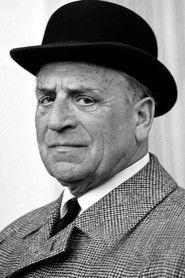
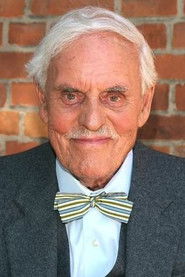
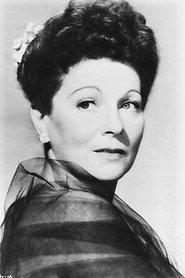
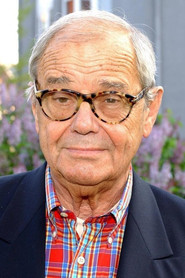
The film features a compelling cast led by Robert Meyn in the lead role, with standout performances by Klaus Höhne, Lucie Mannheim, Walter Giller, and Hannelore Elsner, each bringing depth to the film's dark narrative.
Is Mördergesellschaft (1968) worth watching?
Though unrated on IMDb, *Mördergesellschaft (1968)* offers a gripping exploration of crime and moral decay, making it a compelling watch for fans of atmospheric 1960s thrillers. Its themes of guilt and societal complicity resonate just as strongly today, and the performances elevate the material beyond a standard genre piece.
How long is Mördergesellschaft?
Runtime details for *Mördergesellschaft (1968)* are not listed.
About Mördergesellschaft (1968) — A Crime Thriller on Guilt and Betrayal in Post-War Germany
Dive into the shadowy depths of post-war Germany with *Mördergesellschaft (1968)*, a crime thriller that weaves a tale of deceit, betrayal, and the sinister underbelly of society. Directed by Jan Ellrich, this 1960s gem unfolds in a world where morality is as fragile as the fragile peace of the era. The atmosphere is thick with tension, mirroring the moral ambiguities of its protagonist, played by Robert Meyn, who finds himself ensnared in a web of murder and corruption. Lucie Mannheim and Walter Giller add gravitas to the cast, their performances grounding the film's dark narrative in a sense of realism. As the title suggests—a nod to the literal translation of "society of murderers"—the story explores themes of collective guilt and the inescapable consequences of past sins.
Jan Ellrich's direction crafts a moody, noir-inspired visual style, where every shadowy alley and flickering streetlamp hints at the secrets lurking beneath the surface. The crime genre backdrop serves as a canvas for exploring not just individual culpability but the complicity of institutions and ordinary people alike. With its stark black-and-white cinematography and unflinching portrayal of human frailty, *Mördergesellschaft (1968)* stands as a haunting reflection on justice, redemption, and the fragile threads that bind society together.