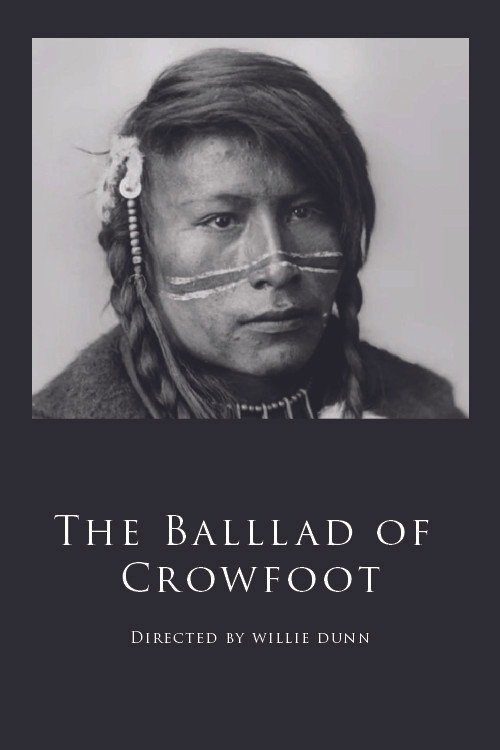
The Ballad of Crowfoot 1968
Dive into the revolutionary short film *The Ballad of Crowfoot (1968)*, Canada's groundbreaking music video that blends haunting balladry with archival fury.
Director: Willie Dunn
Frequently Asked Questions
What is *The Ballad of Crowfoot* (1968) about?
*The Ballad of Crowfoot* is a powerful short documentary that uses archival images and a folk ballad to explore the colonial betrayals faced by the Siksika (Blackfoot) people during Treaty 7 negotiations. The film centers on Chief Crowfoot's efforts for peace in the 19th century, framing his story as a cautionary tale about broken promises and systemic injustice.
Who directed *The Ballad of Crowfoot*?
*The Ballad of Crowfoot* was directed by Willie Dunn, a pioneering Mi'kmaq/Scottish folk singer, activist, and member of the first all-Indigenous production unit at the National Film Board of Canada.
Who stars in *The Ballad of Crowfoot*?
The film stars no traditional cast, as it's a documentary set to Willie Dunn's original ballad. However, it features archival footage and Dunn's own narration, grounding the story in historical and personal perspectives.
Is *The Ballad of Crowfoot* (1968) worth watching?
Absolutely—while it's a short film, *The Ballad of Crowfoot* is a vital piece of Canadian cinema history. Its blend of music, archival imagery, and activism offers a unique perspective on Indigenous struggles, making it a compelling watch for film enthusiasts and those interested in social justice. Its cultural significance alone makes it worth seeking out.
How long is *The Ballad of Crowfoot*?
*The Ballad of Crowfoot* runs for 10 minutes, offering a concise yet impactful cinematic experience.
About The Ballad of Crowfoot (1968) — Discover the groundbreaking Indigenous music video that changed Canadian cinema
Dive into the revolutionary short film *The Ballad of Crowfoot (1968)*, Canada's groundbreaking music video that blends haunting balladry with archival fury. Directed by the visionary Willie Dunn—a Mi'kmaq/Scottish folk singer and activist—this 10-minute documentary unfolds like a cinematic protest, weaving together historical imagery with Dunn's original song to recount the colonial betrayals faced by the Siksika (Blackfoot) people. Through its stark visuals and poignant narrative, the film confronts the legacy of Treaty 7 negotiations, where Chief Crowfoot's efforts for peace were met with exploitation and broken promises. A raw, poetic call to reckon with the past, *The Ballad of Crowfoot* remains a landmark in Indigenous cinema and a testament to the power of music as a tool for storytelling and resistance.
As part of the historic Indian Film Crew at the National Film Board of Canada, Dunn crafted a film that transcends its era, offering a glimpse into the emotional and political struggles of Indigenous communities. The film's minimalist yet evocative style—layered with Dunn's soul-stirring ballad—creates an immersive atmosphere that lingers long after the credits roll. Whether you're drawn to its musical heritage, its historical significance, or its unflinching critique of colonialism, *The Ballad of Crowfoot* is a must-watch for anyone interested in the intersection of art, activism, and memory.