The Derby 1900 1900
Directed by early cinema pioneer Robert W. Paul, The Derby 1900 offers a rare time-capsule glimpse into British sporting culture at the turn of the century.
Director: Robert W. Paul
Frequently Asked Questions
What is The Derby 1900 (1900) about?
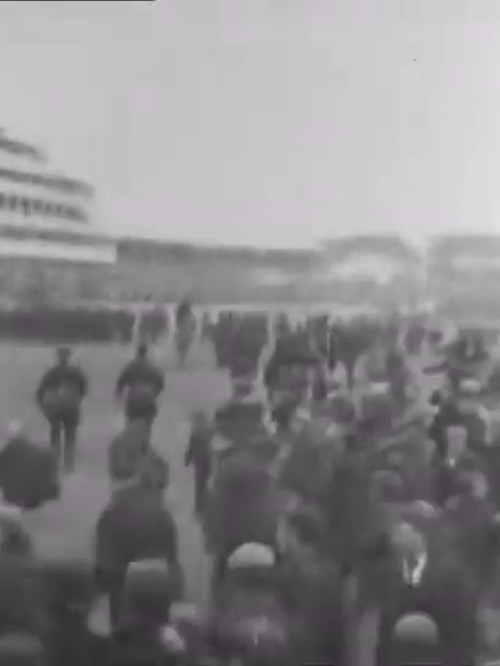
This short silent film documents The Derby horse race as it unfolded in 1900, offering a historical glimpse into Britain's most famous steeplechase. The footage captures the energy of the event, the crowd's reactions, and the thrill of the race itself in vivid early-cinema style.
Who directed The Derby 1900?
The film was directed by Robert W. Paul, a British inventor and filmmaker who played a pivotal role in the development of cinematography during the late 19th and early 20th centuries.
Who stars in The Derby 1900?
Cast details for this 1900 film are not recorded, a common limitation of early silent-era productions.
Is The Derby 1900 (1900) worth watching?
While it's a very short film, The Derby 1900 holds immense historical value for silent cinema and sports enthusiasts alike. Its pioneering camera work and documentary approach make it a fascinating piece of the past, even if its entertainment value is limited by modern standards.
How long is The Derby 1900?
The Derby 1900 runs for approximately 4 minutes.
About The Derby 1900 (1900) — Explore the pioneering silent film capturing a legendary horse race
Directed by early cinema pioneer Robert W. Paul, The Derby 1900 offers a rare time-capsule glimpse into British sporting culture at the turn of the century. This brief but historically rich silent film captures the excitement and elegance of the prestigious horse racing event, immersing viewers in the atmosphere of an era when cinema was just beginning to document real-world events. Though little remains of the original cast, Paul's technical innovation shines through in this four-minute marvel, blending documentary realism with the dramatic flair of early filmmaking.
As one of the earliest surviving recordings of The Derby, this film stands as more than just a sporting spectacle—it's a cultural artifact that reflects the social customs and public fascination of 1900 Britain. The grainy black-and-white footage, quick pacing, and on-location cinematography evoke a sense of immediacy, transporting modern audiences back to an age of top hats, horse-drawn carriages, and high-stakes athleticism.