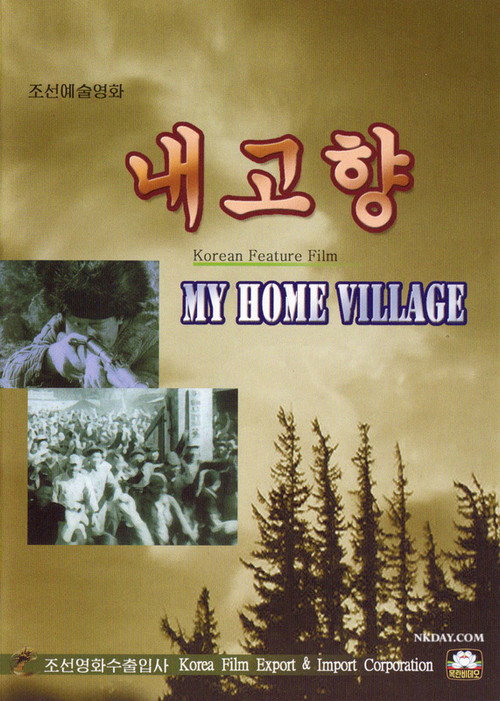
My Home Village 1949
My Home Village (1949), directed by Hong-sik Kang, stands as a landmark in North Korean cinema, marking the first feature film produced after liberation from Japanese colonial rule.
Director: Hong-sik Kang
Cast
Frequently Asked Questions
What is My Home Village (1949) about?
My Home Village (1949) tells the story of Gwan Pil, a tenant farmer who rebels against a cruel landlord in post-colonial Korea. His defiance leads to a brutal confrontation with Japanese imperialists, who strip him of his land and imprison him. The film explores themes of resistance, justice, and national liberation during a pivotal moment in Korean history.
Who directed My Home Village?
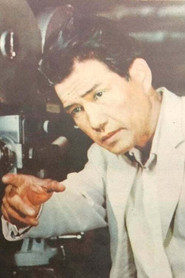
My Home Village was directed by Hong-sik Kang, a pioneering figure in early North Korean cinema.
Who stars in My Home Village?
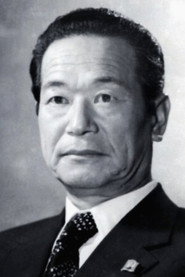
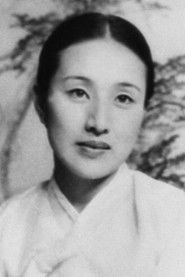
The film features Won Jun Yu, Mun Ye-bong, Ul-min Tae, Hak Pak, and Gyong-Ae Yu in key roles.
Is My Home Village (1949) worth watching?
As a historical landmark, My Home Village (1949) offers invaluable insight into North Korean cinema and post-colonial struggles. While its plot is simplistic by modern standards, its cultural significance and dramatic weight make it a compelling watch for cinephiles and history enthusiasts alike.
How long is My Home Village?
My Home Village (1949) has a runtime of 92 minutes.
About My Home Village (1949) — The First North Korean Film and Its Fight for Freedom
My Home Village (1949), directed by Hong-sik Kang, stands as a landmark in North Korean cinema, marking the first feature film produced after liberation from Japanese colonial rule. This war drama captures the raw emotions of a people reclaiming their identity, weaving a story of resilience and liberation. Set against the backdrop of post-colonial Korea, the film follows Gwan Pil, a tenant farmer whose defiance against a tyrannical landlord sparks a chain of events that exposes the cruelty of Japanese imperialism. The atmosphere is charged with both triumph and tension, reflecting the collective spirit of a nation reclaiming its dignity. Starring Won Jun Yu, Mun Ye-bong, and Ul-min Tae, the film blends historical weight with personal drama, offering a glimpse into the struggles that defined a generation.
The narrative pulses with the heartbeat of a people unshackled from oppression, where every frame resonates with the echoes of freedom. Kang Hong-sik's direction infuses the film with authenticity, grounding its grand themes in intimate human moments. As Gwan Pil's fight against injustice unfolds, the film becomes a testament to the power of collective struggle, making it a pivotal watch for those interested in the intersection of history, politics, and cinema.