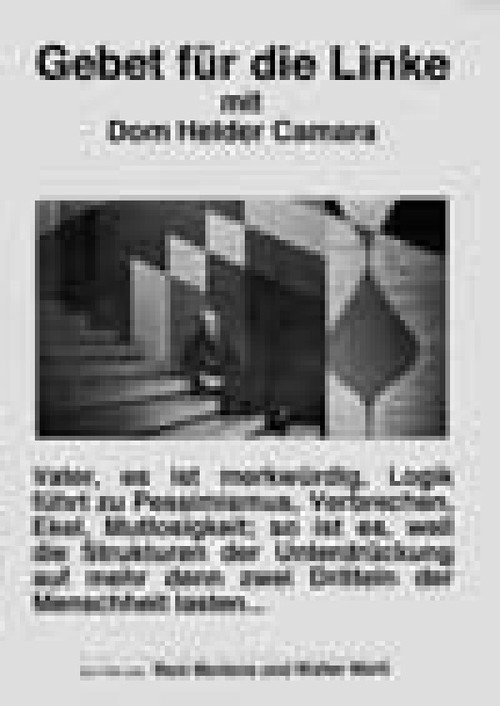
Gebet für die Linke 1974
A short but impactful Swiss film from 1974, *Gebet für die Linke* stands out as a cultural artifact voted for in the prestigious 2012 Sight & Sound poll.
Director: Walter Marti
Frequently Asked Questions
What is Gebet für die Linke (1974) about?
This 28-minute Swiss film explores themes of leftist politics and social reflection through a sparse, thought-provoking narrative. It captures a moment of ideological tension, framed with quiet intensity and a focus on human connection.
Who directed Gebet für die Linke?
The film was directed by Walter Marti, a Swiss filmmaker whose work often engaged with social and political themes during the 1970s.
Who stars in Gebet für die Linke?
Cast details for *Gebet für die Linke* are not publicly listed.
Is Gebet für die Linke (1974) worth watching?
Given its inclusion in the 2012 Sight & Sound poll—a benchmark for cinematic influence—*Gebet für die Linke* holds significant cultural weight. Its 28-minute runtime makes it an accessible yet deeply thematic choice for fans of political cinema.
How long is Gebet für die Linke?
*Gebet für die Linke* runs for 28 minutes.
About Gebet für die Linke (1974) — Walter Marti's 28-Minute Swiss Political Short Film
A short but impactful Swiss film from 1974, *Gebet für die Linke* stands out as a cultural artifact voted for in the prestigious 2012 Sight & Sound poll. Directed by Walter Marti, this 28-minute piece blends political urgency with cinematic experimentation, offering a reflective snapshot of its era. The film's spare runtime belies its bold thematic ambition, weaving together ideas of leftist ideology, social critique, and human connection against a backdrop of quiet intensity. Its inclusion in the Sight & Sound survey—reserved for the most influential works in cinema history—speaks to its lasting resonance, even decades after its release.
Set in Switzerland, *Gebet für die Linke* captures the tension between idealism and reality, framing its narrative through a lens that feels both personal and universal. The film's atmosphere is one of studied contemplation, where every frame and gesture carries weight. While its original cast remains uncredited, Marti's direction ensures the work transcends its brevity, leaving an indelible impression on viewers who seek films that challenge as much as they entertain.