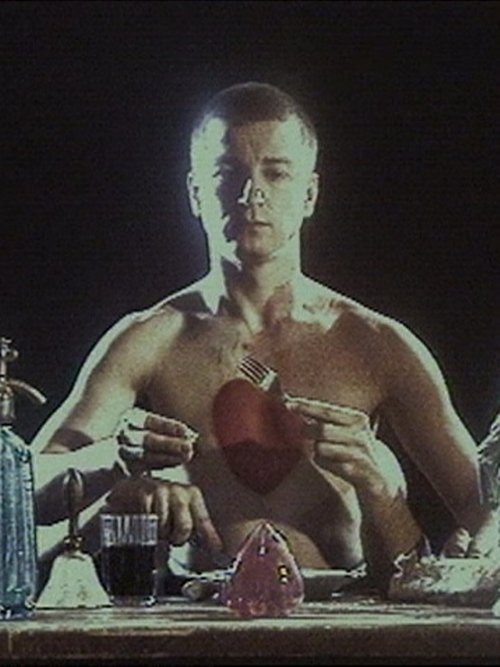
Labyrinth 1993
Directed by Aina Šmid, *Labyrinth (1993)* is a haunting 12-minute documentary dance film that blends surreal visuals with raw political commentary.
Director: Aina Šmid
Cast
Frequently Asked Questions
What is Labyrinth (1993) about?
*Labyrinth* is a condensed, poetic dance film that juxtaposes surreal visuals with documentary footage of Bosnian refugee camps. Director Aina Šmid uses Magritte-inspired imagery and frantic choreography to mirror the chaos and desolation of the ex-Yugoslav territory during wartime.
Who directed Labyrinth?
Aina Šmid directed *Labyrinth (1993)*, crafting a visually striking exploration of political and human turmoil through dance and documentary elements.
Who stars in Labyrinth?
The film features Matjaž Farič, Fredi Fontanot, Dominika Kacin, Vesna Lavrač, and Sinja Ožbolt as key performers in this avant-garde documentary dance project.
Is Labyrinth (1993) worth watching?
*Labyrinth* is a niche but powerful short film that may appeal to fans of surrealist cinema and political documentaries. While it lacks an IMDb rating for broader context, its artistic ambition and bold visual style make it a compelling watch for those interested in experimental filmmaking.
How long is Labyrinth?
*Labyrinth* runs for 12 minutes, delivering a tightly crafted, impactful experience in under a quarter-hour.
About Labyrinth (1993) — A 12-Minute Surreal Dance Doc on Ex-Yugoslavia's Turmoil
Directed by Aina Šmid, *Labyrinth (1993)* is a haunting 12-minute documentary dance film that blends surreal visuals with raw political commentary. Drawing inspiration from Magritte's dreamlike paintings and shot in stark contrast with footage from Bosnian refugee camps in Ljubljana, the project contrasts frenetic, almost hysterical dance sequences with eerie, artificially constructed imagery. The result is a poetic yet cynical exploration of the fractured ex-Yugoslav territory, where movement and stillness collide to evoke the disorientation and despair of displacement.
Šmid's avant-garde approach transforms documentary material into a hypnotic, almost nightmarish experience, using dance as both a visceral language and a metaphor for chaos. The film's surrealist undercurrents reflect the absurdity of war, making it a striking—if unsettling—examination of human resilience and fragmentation in the face of geopolitical turmoil.