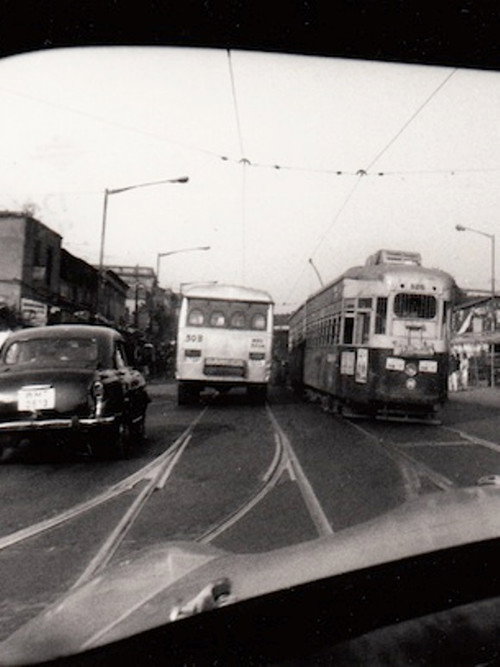
(Calcutta) GO 1993
Director Hans Scheugl's experimental short film (Calcutta) GO (1993) immerses viewers in the raw energy of 1990s Calcutta through a single, unbroken dashboard shot.
Director: Hans Scheugl
Frequently Asked Questions
What is (Calcutta) GO (1993) about?
(Calcutta) GO is a nine-minute experimental short that transports viewers into the lively streets of 1990s Calcutta through a single, unbroken shot from a moving vehicle. The film bypasses traditional storytelling to focus on the spontaneous rhythms of daily urban life.
Who directed (Calcutta) GO?
Director Hans Scheugl is behind (Calcutta) GO, crafting a minimalist yet evocative visual experience.
Who stars in (Calcutta) GO?
Cast details for (Calcutta) GO are not publicly available.
Is (Calcutta) GO (1993) worth watching?
As an unconventional short film, (Calcutta) GO is best suited for viewers who appreciate avant-garde cinema or cultural documentaries. Its brevity and experimental nature make it a unique but niche experience rather than mainstream entertainment.
How long is (Calcutta) GO?
(Calcutta) GO has a runtime of 9 minutes.
About (Calcutta) GO (1993) — A 9-Minute Dash Through Calcutta's Urban Pulse
Director Hans Scheugl's experimental short film (Calcutta) GO (1993) immerses viewers in the raw energy of 1990s Calcutta through a single, unbroken dashboard shot. This 9-minute cinematic journey strips away narrative artifice to reveal the pulse of daily life in the city—street vendors hawking goods, rickshaws weaving through traffic, and the cacophony of a metropolis alive with motion. The film captures fleeting moments that collectively paint a vivid portrait of urban existence, blending documentary-like observation with avant-garde technique. Scheugl's vision transforms an ordinary commute into a hypnotic meditation on place and perspective.
Shot entirely from a vehicle's perspective, (Calcutta) GO becomes more than a travelogue; it's a time capsule of pre-digital India's chaotic charm. The absence of dialogue or staged scenes heightens the authenticity of the experience, inviting audiences to feel the rhythm of the streets rather than just observe them. For fans of unconventional storytelling and cultural snapshots, this minimalist gem offers a rare glimpse into a moment frozen in time—where every passing face and shadow tells a story.