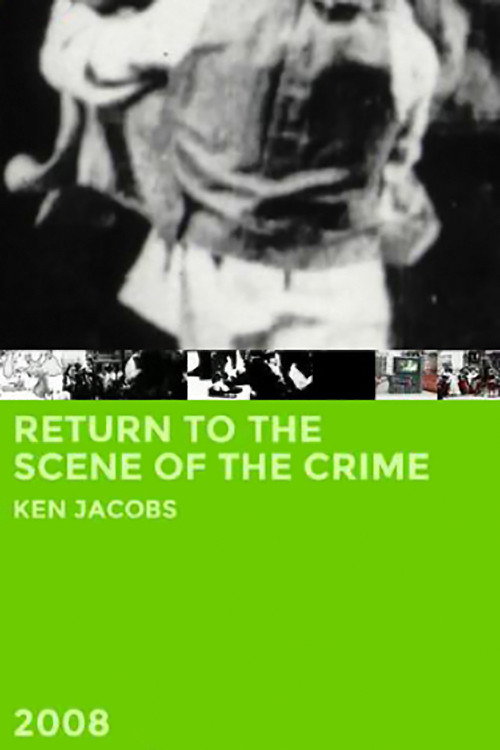
Return to the Scene of the Crime 2008
Ken Jacobs' Return to the Scene of the Crime (2008) dismantles conventional cinema with playful precision, slicing through layered chaos to spotlight the ordinary and extraordinary alike.
Director: Ken Jacobs
Frequently Asked Questions
What is Return to the Scene of the Crime (2008) about?
Return to the Scene of the Crime deconstructs a dense cinematic tapestry, pulling apart layers of overlapping actions to highlight individual moments that might otherwise get lost. Think of it as a detective story where every clue is a fleeting gesture, and the 'crime' is the joy of discovering order in the visual chaos.
Who directed Return to the Scene of the Crime?
Ken Jacobs, the avant-garde filmmaker known for pushing the boundaries of experimental cinema and redefining how we perceive moving images.
Who stars in Return to the Scene of the Crime?
Cast details for Return to the Scene of the Crime are not publicly listed.
Is Return to the Scene of the Crime (2008) worth watching?
With its unrated status and experimental edge, Return to the Scene of the Crime is a niche but rewarding experience for fans of avant-garde filmmaking. Its playful structure and visual inventiveness make it a standout for those who appreciate cinema as a medium of discovery rather than just narrative.
How long is Return to the Scene of the Crime?
Return to the Scene of the Crime runs for 93 minutes.
About Return to the Scene of the Crime (2008) — A Dive into Ken Jacobs' Chaotic Cinematic Experiment
Ken Jacobs' Return to the Scene of the Crime (2008) dismantles conventional cinema with playful precision, slicing through layered chaos to spotlight the ordinary and extraordinary alike. The film orchestrates a symphony of overlapping vignettes: a duck on a leash parades past Little Bo Peep, while a meticulously crafted stage-set unfolds in the background, each moment given room to breathe. Jacobs turns the welter of events into a grand clockwork mechanism, where micro-stories emerge from the welter, revealing the hidden choreography beneath the surface. It's a celebration of cinema's chaotic beauty, where even the most mundane details become cinematic stars.
The atmosphere crackles with mischievous energy, blending absurdity with structural elegance. By isolating fleeting moments from the original's dense fabric, Jacobs invites viewers to savor the texture of film itself—its textures, rhythms, and the serendipitous collisions of life on screen. Return to the Scene of the Crime (2008) isn't just a film; it's an experiment in perception, a reminder that every frame holds a story waiting to unfold.