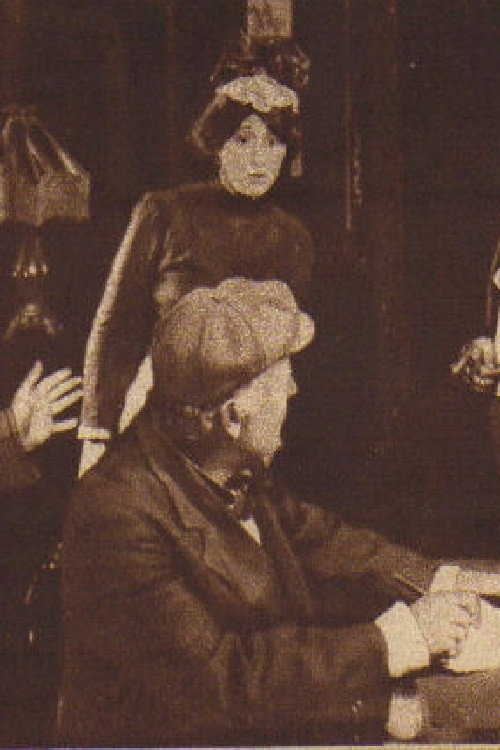
Dr. LaFleur's Theory 1912
Dive into the silent-era gem *Dr. LaFleur's Theory (1912)*, a groundbreaking 12-minute drama directed by Maurice Costello. This early cinematic experiment challenges viewers to reconsider crime not as a moral failing but as a treatable illness, a radical idea for its time.
Director: Maurice Costello
Cast
Frequently Asked Questions
What is Dr. LaFleur's Theory (1912) about?
The film follows Dr. LaFleur, a visionary who believes crime is an illness that can be cured through science. His radical theory forces him to confront the limits of his own methods and the moral dilemmas that arise when treating human behavior as a medical condition.
Who directed Dr. LaFleur's Theory?
The film was directed by Maurice Costello, a prolific actor and filmmaker of the silent era whose work often explored daring social themes.
Who stars in Dr. LaFleur's Theory?
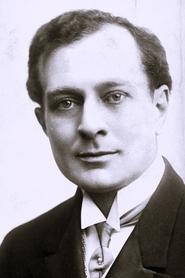
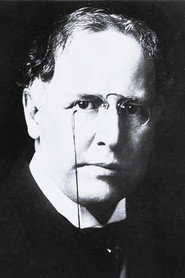
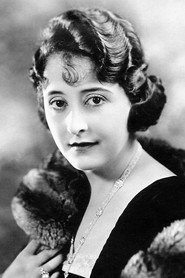
The film features Maurice Costello in the lead role, alongside Van Dyke Brooke, Clara Kimball Young, and James Morrison in pivotal supporting parts.
Is Dr. LaFleur's Theory (1912) worth watching?
As a silent-era drama with a runtime of just 12 minutes, *Dr. LaFleur's Theory* is a fascinating curiosity for fans of early cinema or those interested in the evolution of criminal justice themes. While it may not dazzle with modern pacing, its bold premise and historical significance make it a compelling watch for niche audiences.
How long is Dr. LaFleur's Theory?
The film runs for 12 minutes, offering a brisk but dense exploration of its central ideas.
About Dr. LaFleur's Theory (1912) — A silent-era drama where crime is treated like a treatable illness
Dive into the silent-era gem *Dr. LaFleur's Theory (1912)*, a groundbreaking 12-minute drama directed by Maurice Costello. This early cinematic experiment challenges viewers to reconsider crime not as a moral failing but as a treatable illness, a radical idea for its time. Set against a moody backdrop, the film follows Dr. LaFleur as he grapples with the ethical implications of his revolutionary approach, blending tense drama with a surprisingly modern sensibility. Costello's direction infuses the short with a sense of urgency, while the cast—featuring Costello himself alongside Van Dyke Brooke and Clara Kimball Young—delivers performances that crackle with intensity. With themes of redemption and the scientific method, the movie offers a fascinating glimpse into early 20th-century attitudes toward justice and psychology.
Watching *Dr. LaFleur's Theory* is like stepping into a time capsule of progressive thought, where the boundaries between medicine and morality blur. The film's concise runtime belies its ambitious scope, tackling complex ideas in a way that feels both historical and eerily prescient. Whether you're a silent film enthusiast or a curious cinephile, this short drama is a compelling watch that lingers long after the credits roll.