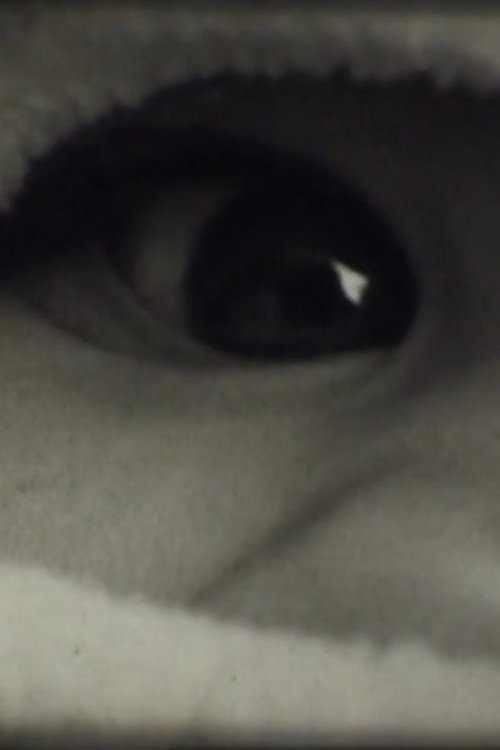
Le Corps Humain 2006
A poetic fragment of childhood frozen in time, *Le Corps Humain (2006)* is Alexandre Larose's intimate super-8mm ode to innocence captured during a Québec winter.
Director: Alexandre Larose
Frequently Asked Questions
What is *Le Corps Humain* (2006) about?
*Le Corps Humain* is a tender snapshot of filmmaker Alexandre Larose's niece, Mia, as she discovers the world during a winter reunion in Québec. Shot entirely in-camera on super 8mm, the film transforms ordinary moments into a hauntingly beautiful meditation on childhood and transience.
Who directed *Le Corps Humain*?
*Le Corps Humain* was directed by Alexandre Larose, a filmmaker known for his experimental and hand-processed approach to documentary filmmaking.
Who stars in *Le Corps Humain*?
The film features Mia Larose as the central subject, surrounded by her family during a winter gathering in Lac Saint-Charles, Québec.
Is *Le Corps Humain* (2006) worth watching?
With its evocative visuals and emotional depth, *Le Corps Humain* is a unique gem for fans of experimental documentaries and intimate family portraits. While short, its poetic storytelling leaves a lasting impression that defies its brief runtime.
How long is *Le Corps Humain*?
*Le Corps Humain* has a runtime of 4 minutes.
About Le Corps Humain (2006) — A Super-8 Poem of Childhood and Time
A poetic fragment of childhood frozen in time, *Le Corps Humain (2006)* is Alexandre Larose's intimate super-8mm ode to innocence captured during a Québec winter. The filmmaker traces the fleeting gestures of his six-month-old niece, Mia Larose, as she explores the world under a family's watchful eyes. Hand-processed and shot in-camera, this four-minute documentary unfolds like a living photograph—where light, memory, and motion blur into a fragile yet vivid portrait of early life. Its quiet beauty lies not in grand narratives but in the raw, unfiltered intimacy of a moment suspended between past and present.
While technically a documentary, *Le Corps Humain* transcends genre, weaving history, family, and the essence of being human into a single roll of film. The stark winter backdrop of Lac Saint-Charles lends the footage a dreamlike texture, amplifying the fragility of time and the tenderness of connection. Larose's experimental approach turns a simple family gathering into a meditation on growth, vulnerability, and the unspoken bonds that shape us all.