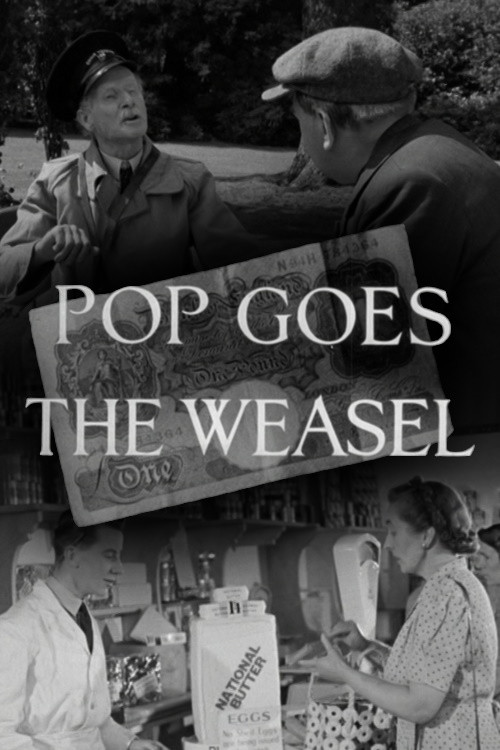
Pop Goes the Weasel 1948
Step into the post-war Britain of 1948 with *Pop Goes the Weasel*, a charming and insightful short film that turns a beloved nursery rhyme into a gentle reminder of how tax revenue shaped everyday life.
Frequently Asked Questions
What is Pop Goes the Weasel (1948) about?
This animated short connects the classic nursery rhyme to the realities of 1948 British taxation, showing how public funds were allocated for rebuilding and social services after World War II. Through cheerful visuals and familiar lyrics, it frames civic duty as part of everyday life.
Who directed Pop Goes the Weasel?
Director information is not available.
Who stars in Pop Goes the Weasel?
The cast details for *Pop Goes the Weasel (1948)* are not recorded.
Is Pop Goes the Weasel (1948) worth watching?
As a historical curiosity, *Pop Goes the Weasel* offers a charming glimpse into mid-century Britain's blend of culture and civic messaging. Its brief runtime and gentle tone make it more of an archival treasure than a cinematic masterpiece, but its unique premise may appeal to animation fans and history buffs.
How long is Pop Goes the Weasel?
Pop Goes the Weasel (1948) has a runtime of 10 minutes.
About Pop Goes the Weasel (1948) — How a nursery rhyme explained Britain's post-war taxes
Step into the post-war Britain of 1948 with *Pop Goes the Weasel*, a charming and insightful short film that turns a beloved nursery rhyme into a gentle reminder of how tax revenue shaped everyday life. Commissioned by HM Treasury, this ten-minute picture leveraged the familiar cadence of its title to reflect on the shared responsibilities and social services emerging in the wake of World War II. With a whimsical yet thoughtful approach, the film uses playful imagery and lighthearted animation to illustrate how collective contributions helped rebuild communities and fund essential services, offering viewers both comfort and a sense of civic pride. Its nostalgic tone and clever use of cultural shorthand make it a fascinating snapshot of mid-20th-century Britain.
While the identities of the director and cast remain obscure today, *Pop Goes the Weasel (1948)* stands out for its unique blend of entertainment and education. The film's brief runtime and straightforward message make it a curious artifact for film historians and animation enthusiasts alike, capturing the era's spirit of resilience through a simple, sing-song structure. Though modest in scope, its legacy lies in how it transformed a nursery rhyme into a subtle civic lesson—one that resonated with audiences seeking stability in uncertain times.