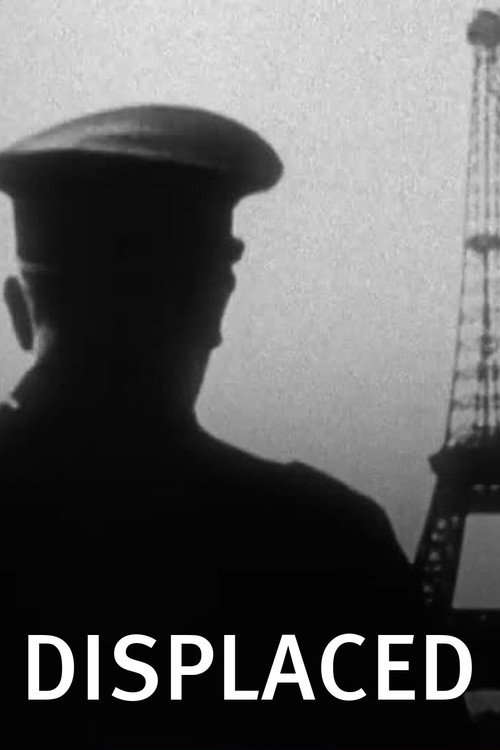
Displaced Person 1981
Daniel Eisenberg's experimental short film *Displaced Person* (1981) redefines traditional documentary storytelling by weaving together found footage, archival newsreels, and philosophical narration.
Director: Daniel Eisenberg
Frequently Asked Questions
What is Displaced Person (1981) about?
*Displaced Person* (1981) explores how history is constructed and perceived through unconventional documentary techniques. Director Daniel Eisenberg blends found footage, archival materials, and a lecture by anthropologist Claude Lévi-Strauss to challenge traditional storytelling methods and evoke themes of displacement and cultural memory.
Who directed Displaced Person?
The film was directed by Daniel Eisenberg, an experimental filmmaker known for his thought-provoking use of archival footage and layered narratives.
Who stars in Displaced Person?
Cast information for *Displaced Person* (1981) is not publicly listed, as the film focuses more on thematic and archival elements than traditional performances.
Is Displaced Person (1981) worth watching?
As a 9-minute experimental documentary, *Displaced Person* (1981) is best suited for audiences interested in avant-garde cinema or intellectual provocations. While it lacks mainstream appeal, its bold approach to history and memory makes it a fascinating, if niche, choice for film enthusiasts.
How long is Displaced Person?
The runtime for *Displaced Person* (1981) is 9 minutes.
About Displaced Person (1981) — Experimental Documentary Reimagining History
Daniel Eisenberg's experimental short film *Displaced Person* (1981) redefines traditional documentary storytelling by weaving together found footage, archival newsreels, and philosophical narration. Set against the backdrop of mid-20th century upheaval, the 9-minute film questions how history is recorded and interpreted, blending Beethoven's stirring quartets with a lecture by anthropologist Claude Lévi-Strauss. Eisenberg challenges viewers to see beyond linear narratives, using fragmented imagery and layered sound to evoke displacement—not just of people, but of ideas. The result is a cerebral yet visually rich essay that lingers long after the credits roll.
As a 'memory essay' in film form, *Displaced Person* (1981) stands apart from conventional documentaries. Its unconventional structure invites reflection on memory, exile, and the fragility of historical records, making it a compelling watch for fans of avant-garde cinema. The fusion of music and theory creates an atmospheric experience that feels both timeless and urgently relevant.