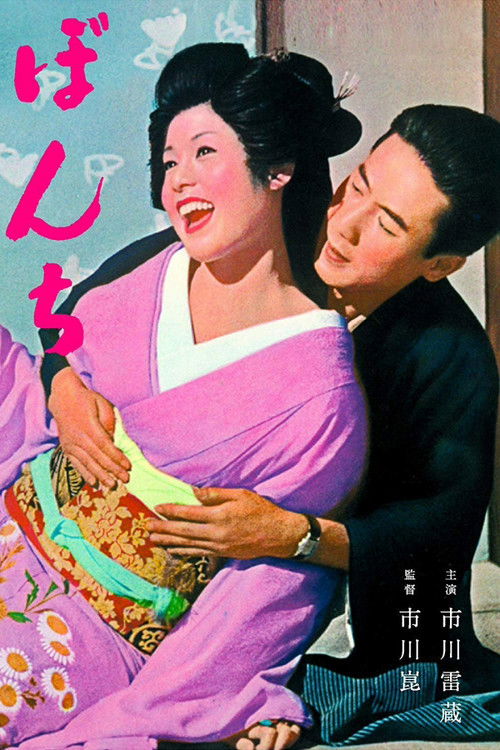
Bonchi 1960
In the 1960 comedy-drama Bonchi, director Kon Ichikawa masterfully crafts a poignant tale of societal pressures and family expectations. The story revolves around Kikuji, the scion of a traditional Osaka merchant family where power lies in the hands of the matriarchs.
Director: Kon Ichikawa
Cast

Raizō Ichikawa
Kikuji

Ayako Wakao
Ponta

Fubuki Koshiji
Hisako

Mitsuko Kusabue
Ikako

Tamao Nakamura
Hiroko

Isuzu Yamada
Sei
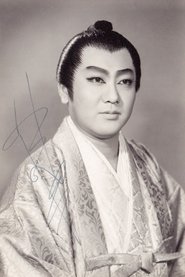
Naritoshi Hayashi

Ganjirō Nakamura II
Kikue Mōri
Kino

Mayumi Kurata
Frequently Asked Questions
What is Bonchi (1960) about?
Bonchi is a 1960 comedy-drama that explores the consequences of a patriarchal society on an individual's life.
Who directed Bonchi?
Bonchi was directed by the renowned Japanese filmmaker Kon Ichikawa.
Who stars in Bonchi?
The film features a talented cast, including Raizō Ichikawa, Ayako Wakao, Fubuki Koshiji, and Mitsuko Kusabue.
Is Bonchi (1960) worth watching?
While Bonchi may not be a widely known film, its thought-provoking exploration of societal pressures and family expectations makes it a compelling watch for fans of Japanese cinema.
How long is Bonchi?
Bonchi has a runtime of 105 minutes.
🎥 Trailer
About Bonchi (1960) — A poignant tale of societal pressures and family expectations
In the 1960 comedy-drama Bonchi, director Kon Ichikawa masterfully crafts a poignant tale of societal pressures and family expectations. The story revolves around Kikuji, the scion of a traditional Osaka merchant family where power lies in the hands of the matriarchs. His overbearing mother and grandmother demand an heiress to carry on the family business, leading to a tragic outcome for Kikuji's wife, who gives birth to a son. As Kikuji's life spirals out of control, he becomes disillusioned with the societal norms that have driven him to a life of dissipation. With a talented cast, including Raizō Ichikawa, Ayako Wakao, and Fubuki Koshiji, Bonchi is a thought-provoking exploration of the consequences of a patriarchal society. This gripping film is a must-watch for fans of Japanese cinema and those interested in the complexities of family dynamics. As Kikuji navigates his way through the challenges of his family's expectations, he ultimately becomes too tired to care, leaving the audience to ponder the devastating consequences of his actions.
The film's atmosphere is tense and foreboding, setting the stage for a heart-wrenching conclusion. With its exploration of themes such as family, tradition, and the struggles of the individual, Bonchi is a powerful commentary on the societal norms of 1960s Japan. This gripping drama is a must-watch for fans of Japanese cinema and those interested in the complexities of family dynamics.
Overall, Bonchi is a thought-provoking film that will leave audiences reflecting on the consequences of societal pressures and family expectations.