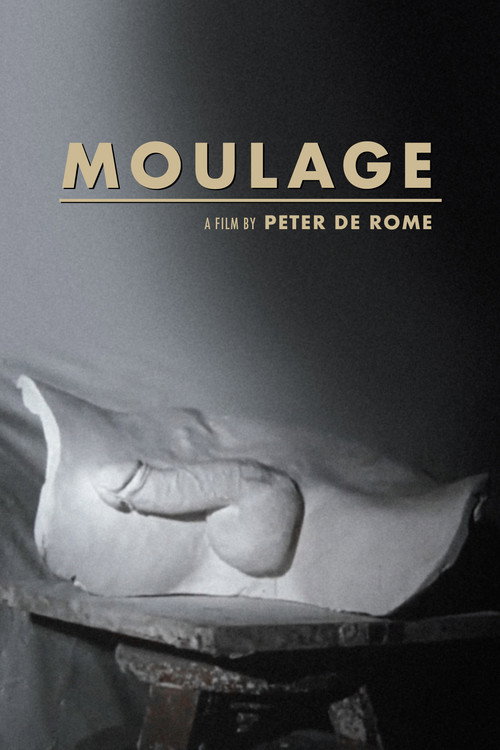
Moulage 1971
Moulage (1971) is a brief but striking drama crafted by visionary filmmaker Peter de Rome, capturing a singular moment of artistic creation through striking visuals and subtle storytelling.
Director: Peter de Rome
Cast
Frequently Asked Questions
What is Moulage (1971) about?
The film follows an artist as they meticulously create a plaster cast of a nude male's body, turning human form into art. Shot in a contemplative style, it explores themes of beauty, craftsmanship, and the transient nature of the human figure.
Who directed Moulage?
Moulage (1971) was directed by Peter de Rome, a filmmaker celebrated for his bold and evocative approach to visual storytelling.
Who stars in Moulage?
The film features Richard Etts and Aren Rikas as the central figures, with their performances shaping the film's intimate and artistic atmosphere.
Is Moulage (1971) worth watching?
While unrated on IMDb, Moulage (1971) is a fascinating short film for fans of artistic cinema and avant-garde storytelling. Its brevity and focus make it a unique experience, though it may not appeal to all audiences due to its niche themes.
How long is Moulage?
Moulage (1971) has a runtime of 13 minutes.
About Moulage (1971) — A 13-Minute Masterpiece of Art and Body
Moulage (1971) is a brief but striking drama crafted by visionary filmmaker Peter de Rome, capturing a singular moment of artistic creation through striking visuals and subtle storytelling. The film centers on an artist meticulously taking a plaster cast of a nude male's body, transforming the human form into a tangible work of art. With a runtime of just 13 minutes, it unfolds like a cinematic study in texture and form, blending sensuality with artistic intent. The atmosphere is contemplative and intimate, inviting viewers to ponder the intersection of beauty, craftsmanship, and human vulnerability.
As part of the BFI's curated collection "The Erotic Films of Peter de Rome," Moulage (1971) stands out for its raw authenticity and unflinching focus on the human body as a medium. De Rome's direction is understated yet evocative, using minimal dialogue to let the visuals speak volumes. The film's themes resonate beyond mere eroticism, touching on the ephemeral nature of art and the timeless allure of the human form. For enthusiasts of avant-garde cinema and artistic exploration, it's a captivating glimpse into a bygone era of bold, unfiltered creativity.