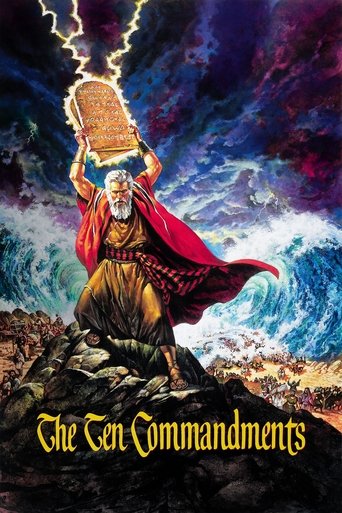

Easy Virtue 1928
"Can she be blamed for a past she didn't create?"
In Alfred Hitchcock's early silent drama *Easy Virtue (1928)*, the story follows Larita Filton, a woman whose life unravels after a scandalous divorce leaves her fleeing to the sun-drenched French Riviera.
Director: Alfred Hitchcock
Cast
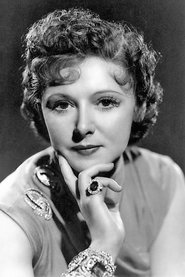
Isabel Jeans
Larita Filton
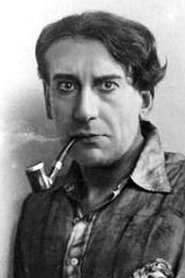
Franklin Dyall
Aubrey Filton
Eric Bransby Williams
Claude Robson - the co-respondent
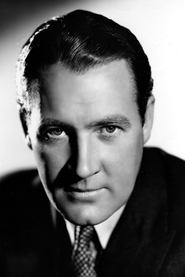
Ian Hunter
The Plaintiff's Counsel

Robin Irvine
John Whittaker
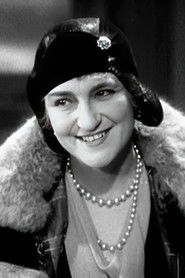
Violet Farebrother
Mrs. Whittaker
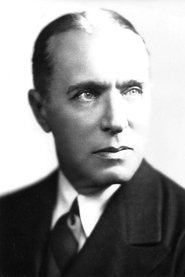
Frank Elliott
Colonel Whittaker
Dacia Deane
Marion Whittaker
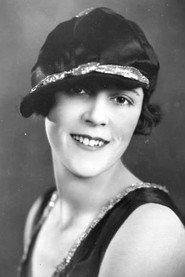
Dorothy Boyd
Hilda Whittaker
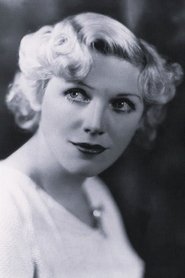
Enid Stamp-Taylor
Sarah
Frequently Asked Questions
What is Easy Virtue (1928) about?
A woman accused of adultery starts anew under a false name, only to have her past expose itself when she marries into a judgmental English family. Her fight for redemption unfolds against a backdrop of societal expectations and quiet desperation.
Who directed Easy Virtue?
Alfred Hitchcock directed *Easy Virtue*, showcasing his early talent for blending romance with social critique.
Who stars in Easy Virtue?
The film features Isabel Jeans, Franklin Dyall, and Ian Hunter as its lead performers.
Is Easy Virtue (1928) worth watching?
Fans of silent films and Hitchcock's early work will appreciate its sharp storytelling and atmospheric tension. While not as polished as his later masterpieces, its themes of scandal and resilience feel timeless.
How long is Easy Virtue?
The runtime of *Easy Virtue* is 70 minutes.
About Easy Virtue (1928) — Hitchcock's Silent-Era Drama of Scandal and Second Chances
In Alfred Hitchcock's early silent drama *Easy Virtue (1928)*, the story follows Larita Filton, a woman whose life unravels after a scandalous divorce leaves her fleeing to the sun-drenched French Riviera. There, she finds love under a new identity with a young Englishman, only to face the judgment of his traditionalist family. As his relatives uncover fragments of her past, Larita's hard-won happiness teeters on the edge of collapse. Hitchcock crafts a tale of societal hypocrisy and resilience, set against a backdrop of lavish estates and whispered scandal. With its sharp focus on morality and disguise, the film explores the tension between personal freedom and the stifling conventions of high society in the 1920s.
Starring Isabel Jeans as Larita and Franklin Dyall as her stern father-in-law, the film blends romance with biting social commentary, capturing the era's contradictions. The atmosphere is one of elegance and unease, where every polite smile hides a potential threat. A masterclass in silent-era storytelling, *Easy Virtue* remains a gripping study of identity, judgment, and the price of second chances.