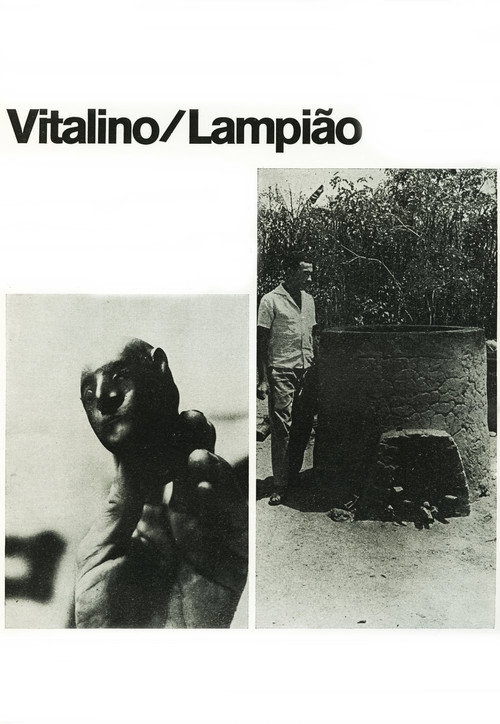
Vitalino/Lampião 1969
Step into the world of *Vitalino/Lampião (1969)*, Geraldo Sarno's evocative short documentary that blends artistry with tradition in the arid landscapes of Northeast Brazil.
Director: Geraldo Sarno
Cast

Frequently Asked Questions
What is *Vitalino/Lampião* (1969) about?
*Vitalino/Lampião* is a poetic short documentary that follows ceramicist Manuel Vitalino dos Santos as he sculpts an image of Lampião, the legendary Cangaço leader, from clay. The film explores the clash between artistic authenticity and market demands, showing how Vitalino's creations journey from his rural studio to Pernambuco's vibrant Caruaru Fair. It's a meditation on heritage, commerce, and the stories embedded in everyday objects.
Who directed *Vitalino/Lampião*?
*Vitalino/Lampião* was directed by Geraldo Sarno, a filmmaker known for his intimate portrayals of Brazilian culture and regional identities.
Who stars in *Vitalino/Lampião*?
The film stars Othon Bastos and Manuel Vitalino dos Santos, the latter a celebrated ceramicist whose father, Mestre Vitalino, is a legend in Northeast Brazilian folk art.
Is *Vitalino/Lampião* (1969) worth watching?
Though unrated and brief in runtime, *Vitalino/Lampião* is a compelling watch for its cultural depth and visual storytelling. Its focus on traditional craftsmanship and the legacy of Lampião offers a unique perspective on Brazilian history, making it a niche but rewarding experience for documentary enthusiasts.
How long is *Vitalino/Lampião*?
*Vitalino/Lampião* runs for approximately 9 minutes.
About Vitalino/Lampião (1969) — A Short Documentary on Clay, Cangaço, and Tradition
Step into the world of *Vitalino/Lampião (1969)*, Geraldo Sarno's evocative short documentary that blends artistry with tradition in the arid landscapes of Northeast Brazil. At its heart, the film follows ceramicist Manuel Vitalino dos Santos—a son of the legendary Mestre Vitalino—as he crafts an image of Lampião, the infamous Cangaço outlaw, from humble clay. The process unfolds like a ritual, revealing the tension between preserving artistic integrity and the pressures of commercialization, especially when the finished pieces reach the bustling stalls of Caruaru Fair in Pernambuco. Sarno's lens captures not just the act of creation but the soul of a culture where folklore and craftsmanship collide. The film's sparse yet atmospheric soundtrack underscores the raw, unfiltered beauty of this timeless exchange.
For lovers of Brazilian cinema and folk art, *Vitalino/Lampião* offers a fleeting yet potent glimpse into the intersection of history, rebellion, and handmade tradition. Its brevity belies its depth, making it a hidden gem that lingers long after the credits roll.